 Translate
Our performance at a glance
Residents’ income increased by more than £20 million through our Welfare Advice Services in 2025 to 2026
£800,000 shared in Arran between three projects – a youth centre, island hub and marine infrastructure
£685,740 awarded to 14 community projects across North Ayrshire during 2025 to 2026
16,279 trees were planted during the financial year 2025 to 2026, exceeding our target
60 people attended our third annual Older People’s Voice Conference
We are embedding Children’s Rights in our everyday decision-making, supporting the UNCRC
Over 1,000 Ayrshire businesses supported by our Community Wealth Building Programme
We launched our 2026 to 2027 Budget Consultation and received 1,125 responses
53 Digital Learning Sessions delivered supporting 192 people
Our Solar Farms are actively generating renewable electricity
1,500 pupils took part in climate change education during 2025 to 2026
Over 400 employees attended our A Great Place to Work event to learn more about workplace support
Welcome
Welcome to our Year-End Progress Report on our Council Plan 2023 to 2028. This report covers the period 1 October 2025 to 31 March 2026. Our Council Plan is our contract with our residents and details how we are progressing our four priorities of Wellbeing, Communities and Local Democracy, Climate Change, and A Sustainable Council:

Our Vision: A North Ayrshire that is fair for all
Our Mission: Working together to improve the lives of our people in North Ayrshire
Delivery of our Council Plan is progressing positively with 81% of our indicators where the status is known either on target or just slightly adrift of target, and 100% of our actions are on target or just slightly adrift of target. We regularly compare our performance to other local authorities with similar demographic traits through the Local Government Benchmarking Framework (LGBF) and include information on this within our Council Plan reporting. There are 33 LGBF indicators that link closely with our Council Plan priorities and 20 of these 33 indicators are in the top two quartiles.
North Ayrshire Council’s scheduled Controller of Audit (Section 102) Best Value report was considered by the Accounts Commission in October, with the Commission’s findings considered by Council in December. This report is an overview of all recent Best Value audits and the findings are extremely positive, highlighting a culture of continuous improvement, a proactive focus on addressing inequalities in our communities and stating the council is “an exemplar of how to do transformation well”.
Through our extensive and accessible 2026 to 2027 budget consultation, over 1,200 responses from our residents and community groups were received and helped to shape priorities across schools, services for young people and wider council services, with targeted engagement ensuring the voices of our young people and those who are care-experienced were also heard. This feedback directly informed the setting of our budget (approved in February 2026) alongside Equality and Children’s Rights Impact Assessments.
Since the launch of our new Money Smart Team in May 2025, we have helped increase North Ayrshire residents’ income by more than £20 million by giving debt advice in addition to supporting individuals and families with their finances, to ensure they are able to access and maximise benefits with services.
A major milestone in our council’s journey to net zero was achieved with the successful delivery of council-owned solar farms at Nethermains and the former Shewalton landfill site. As the first projects of their kind to be owned and operated by a Scottish local authority, these fully energised sites are already generating renewable electricity while providing a long-term income stream for our council. Revenue from the solar farms will be reinvested to support local services, tackle fuel poverty and enable community-led renewable energy initiatives.
During the year, Connected Communities continued to support groups to access funding and be involved in decision making. Local people decided where small grants participatory budgeting should be awarded, including specific grants of up to £2,000 for organisations with Community Wealth Building aspirations.
To give context to the environment in which we deliver our services, some key measures are highlighted below:
Population of North Ayrshire: 134,010 (2024)
18% of our children live in poverty after housing costs (2025)
28% of our households live in fuel poverty (2022 to 2024)
68.1% of working age population is in employment (June 2025)
10.9% of people earn less than the living wage (2025)
Area wide CO2 emissions are 540.1kt CO2E (July 2023)
Together we will ensure a North Ayrshire that is fair for all.
Wellbeing
To transition to a wellbeing economy, delivering prosperity, wellbeing and resilience for local people.
Key activities
Our welfare rights and money advice service helped increase North Ayrshire residents’ income by more than £20 million over 2025 to 2026. Our Money Smart team helps individuals and families with their finances, offering debt advice whilst ensuring they are able to access and maximise benefits. This can involve:
- completing benefits checks and confirming entitlement
- helping with claims for Universal Credit and other DWP and Social Security Scotland benefits
- advice and support with debts including rent and Council Tax arrears
- information on housing services
- budgeting advice
Work is underway to modernise and simplify how residents access benefits, making support easier to navigate. This includes ensuring the ‘No Wrong Door’ approach is embedded across all services, making sure people get the right help, no matter how they reach us. Training and awareness sessions have been expanded to include colleagues in Education, schools and third sector organisations to support a more joined-up response.
A review of progress is also underway to ensure the approach continues to be as effective as possible.
Fairer Futures has continued to develop, with communities and third sector partners helping to shape how services are designed and delivered. Activity remains focused on building trust, strengthening relationships and bringing services closer to people and our communities. This includes ongoing development of community connector roles and a Community Services Directory to improve access to support.
The Child Poverty Strategy team led a workshop at the ‘Collaborating for Impact: Improving Outcomes for Children, Young People and Families Conference’, hosted by Children in Scotland in partnership with Glasgow City Council. The workshop, co-designed with Arran CVS, brought together public and third sector partners to ensure the ethical inclusion of lived experiences in policy and service design.
Significant progress was made on the development of a shared Children and Families Plan bringing together three statutory duties (our Children’s Services Plan, Child Poverty Action Plan and UNCRC commitments) and other responsibilities. We have been actively working with third sector interface colleagues ensuring community voice and sector expertise are embedded throughout.
In addition, a third sector engagement event was hosted at Saltcoats Town Hall in partnership with Children in Scotland. This enabled us to explore how to evaluate progress so far and consider key strengths and opportunities to improve how our council works in meaningful partnership with the third sector.
Together, these developments are strengthening collaboration, supporting a more co-ordinated, community informed and sustainable approach to reducing inequality and improving wellbeing.
The new Family Enterprise Programme, developed in partnership with Ayrshire College and The Ayrshire Community Trust (TACT) and supported through the Child Poverty Early Intervention Fund was launched in March 2026. Ten parents participated in curriculum co-design sessions with Ayrshire College tutors, helping to shape a 12-week accredited programme due to begin in April 2026. This initiative will provide parents with accredited entrepreneurial training and access to small business start‑up grants. By addressing barriers such as limited childcare flexibility and opening new economic opportunities, the programme aims to increase financial security and contribute to North Ayrshire’s growing wellbeing economy.
We have developed a new analytical indicator which measures the proportion of people whose income is made up of more than 40% benefits, excluding universal payments, to ensure a more reliable understanding of need. A specialist working group, including a representative from our Information Governance team, is preparing to link internal data sources to the Smart Data Foundry platform. This will provide a richer, more detailed picture of local circumstances and enable a more accurate targeting of support.
Almost 300 employees have completed our council’s dedicated child poverty e-learning module earning their Child Poverty Informed digital badges, with many committing to participate in ongoing quarterly sessions. Face-to-face learning sessions have also been developed in partnership with the third sector and are being rolled out. Positive feedback has been received and this engagement with the training demonstrates a deepening organisational understanding of the challenges facing families and our aims to ensure North Ayrshire is fair for all.
Progress is being made across the three workstreams of Good Start, Good Jobs and Good Health, including system mapping, closer collaboration across services and partners, and exploring opportunities to test innovative new ways of working.
A workshop at Ardrossan Civic Centre on 23 October 2025, brought together 48 representatives from across the public, private and third sectors. It focused on identifying local good practice in improving health equity, and what further action is needed to close the gap between policy intent and real-world impact. Engagement also took place with the Community Planning Partnership Board in March 2026 to share progress made in the local programme and seek further support from partners to further enable CHES support to reduce health inequalities in our communities.
Alterations to the Early Years (EY) admissions policy approved by Cabinet in October 2025, bring local practice in line with the wider Scottish approach where catchment areas do not apply. In North Ayrshire, parents can select up to three council-funded establishments. Applications will be assessed using a revised Priority Banding System which will come into effect from session 2026 to 2027.
We are continuing to build capacity in the leadership skills of middle and senior educational establishment staff. The Raising Attainment Team has continued to support leadership development across, EY, Primary and Secondary establishments.
This has included regular training and development opportunities for EY Managers and Senior Leaders, alongside regular data clinics for EY and school middle and senior leaders supporting improved data literacy skills and the use of data in raising attainment and achievement, including sessions led by Head Teachers. EY, Primary and Secondary attainment discussions have continued to provide opportunities for peer support and challenge. Networks for Secondary Senior Leaders and Heads of Faculty (English and Maths) have also supported professional learning and development around shared priorities, literacy and numeracy. In addition, Service Improvement Groups, with participation across EY, Primary and Secondary sectors have enabled shared leadership opportunities in taking forward strategic priorities including curriculum development, the use of data and digital learning.
We have successfully delivered the Promise Education Award through a pilot programme involving a targeted group of secondary schools. St Matthew's Academy and Irvine Royal Academy have achieved Levels 1 and 2 of the award, with Ardrossan Academy, Kilwinning Academy, Greenwood Academy and Auchenharvie Academy actively progressing through the programme. Building on the positive impact of the pilot, the next phase will focus on extending awareness, guidance and support across additional establishments and sectors to further embed The Promise and strengthen outcomes for care experienced learners.
We are supporting care experienced learners through joint planning, improved guidance and the development of a new Service Operating Procedure which will detail how to deliver the Education Service consistently and efficiently. During the last six months, progress has continued in strengthening support for care experienced learners through enhanced partnership working, improved governance arrangements and the development of more robust planning and reporting processes.
Collaboration between the Education Service and Health and Social Care Partnership (HSCP) colleagues has continued alongside activity in the National Virtual Head Teacher network, supporting the development of guidance on cross-boundary information sharing and promoting greater consistency of practice. The Keeping the Promise Award programme (above) has continued to be embedded across participating secondary schools, while Champion Boards remain established in all secondary schools, ensuring that the views and experiences of care experienced young people continue to inform service development and improvement activity.
Consideration of explicit approaches to involving care experienced young people in Service policy development has been built into the Service Plan. The Service Operating Procedure is in final draft and provides a consistent framework for supporting care experienced learners across the Education Service, building on the strengthened partnerships and systems established during this period.
From 1 December 2025 to 30 January 2026, a free breakfast was offered to all North Ayrshire secondary school pupils on school days through the return of our Winter Warmer Breakfast Initiative. The aim of the initiative was to relieve some of the financial pressure on families at a time of year when this can be felt the most.
In February 2026, the council rolled out training on Supporting Children’s Rights in our Work, alongside a new child friendly complaint handling process and principles. The aim is to embed children’s rights in everyday decision making and supports the UNCRC (Incorporation) (Scotland) Act 2024, placing children’s rights at the heart of policy and practice.
We have continued to raise awareness of our new tool which supports learners in career planning that is focused on the growth areas of the Ayrshire Grown Deal (AGD). This work supports a key priority within the Ayrshire Regional Skills Investment Plan 2022 - 2025. The tool supports delivery of the AGD through awareness-raising among children, young people and school staff; curriculum and pathways planning; and ultimately further study and employment opportunities for our young people of North Ayrshire.
Community Wealth Building remains a key mechanism for delivering Our Council Plan's wellbeing priority and supporting the transition to a wellbeing economy. During the reporting period, progress has continued across all six pillars of the Community Wealth Building Strategy alongside the continued embedding of Community Wealth Building approaches across council and regional economic development activity.
Work has also progressed on the development and application of the Wellbeing Economy Dashboard, providing a robust evidence base to monitor economic, social and environmental outcomes and support evidence-led decision making. We have maintained our national leadership role through the Community Wealth Building Practitioners Network and have been actively involved in national development work associated with the Community Wealth Building (Scotland) Act, ensuring the area is well positioned to respond to forthcoming statutory requirements.
A new independent report has praised the strong progress being made through the AGD funded Community Wealth Building programme in Ayrshire, highlighting its
growing and positive impact on local businesses, fair work and inclusive economic growth.
The study carried out extensive research, assessing performance metrics, holding extensive discussions with a range of stakeholders, surveying local enterprises and carried out a number of case studies with local firms who have been supported by the Community Wealth Building programme by analysing the four key pillars:
- Procurement - increasing local spend by prioritising local suppliers and small businesses in public and institutional contracts.
- Promoting local jobs and embedding fair work across Ayrshire.
- Making better use of assets for community benefit.
- Promoting inclusive ownership models.
Supported by £3 million of Scottish Government funding, the programme has already supported over 1,000 Ayrshire business and increased opportunities to benefit from further public sector investment. Described as a ‘pioneering model’, the approach is helping to keep wealth within our communities, creating better jobs, strengthening local economy and creating a more resilient regional economy for the future.
Positive Pathways
Our council is supporting Third Sector partner, The Ayrshire Community Trust (TACT), to deliver ‘Positive Pathways’, a new employability programme residents get closer to work. The 12-week initiative combines personal development, one to one coaching, E-learning and CV writing support as well as volunteering opportunities with local organisations.
The programme begins with a two-week STEPS to Excellence course, delivered by qualified facilitators to build confidence, help people recognise their potential and support those who are long-term unemployed or facing redundancy to access training, employment or volunteering opportunities.
On completion of the programme, participants are offered eight-week Scottish Credit and Qualifications Framework courses with Ayrshire College – an SCQF Level 4 Health and Wellbeing and SCQF Level 4 Elevate Employability Award. Volunteering placements can also be explored to gain practical, hands-on experience.
Modern Apprenticeships
On 24 February, we held a Modern Apprentice Recruitment Day at Ayrshire College in Kilwinning focussing on opportunities across our council services including Business Administration, Housing and Youth Work. The event was targeted at 16 to 19-year-olds either ready to leave school or looking at employment opportunities. 75 of our young people attended and 10 Modern Apprenticeship vacancies were filled.
During Modern Apprenticeship week from 2 March, we celebrated the commitment and achievements of our learners working towards their Modern Apprenticeship qualifications as well as sharing details of new opportunities available across North Ayrshire. As part of the week’s activities, the Working North Ayrshire Team, in partnership with Developing the Young Workforce, hosted a “Your Next Move” Youth Recruitment Event at Ayrshire College’s Kilwinning Campus on 4 March. It attracted 250 attendees with 58 stallholders including employers sharing information.
Specialist Employability Support
We have continued to embed the Equal employability service following the opening of its new location at Lochshore Park, Beith in September. The Equal programme supports people with long-term health conditions and disabilities into work and training as part of our council’s “Your Next Move, Working North Ayrshire” programme. Lochshore Park offers more space and provides outdoor opportunities and enhanced facilities in modern surroundings.
Employability Awards
Over 140 nominations were received for the third annual Employability Awards, delivered through the Next Move, Working North Ayrshire programme. The awards celebrate the achievements of trainees, volunteers and modern apprentices building skills, confidence and experience on their journey to progress to the world of work. Taking place during Careers Week, the event highlighted the range of career pathways and support available across North Ayrshire, marked by the introduction of a new ‘Career Pathway Excellence’ award.
Trade Skills Programme
A new trade skills programme launched to address local skills shortages in the construction industry while improving the confidence, experience and employment opportunities for our young people. The Future Trades Programme, delivered in partnership with Your Next Move, Working North Ayrshire programme, CEIS Ayrshire and supported by The Robertson Trust, offers hands-on training across a range of trades including bricklaying, plastering, plumbing, joinery and painting and decorating alongside industry recognised qualifications and tailored employability support.
A total of 24 young people have successfully taken part and attained their Construction Skills Certification Scheme (CSCS) with many already progressing to interviews, work placements and job opportunities.
Strategic Housing Investment Plan (SHIP)
In early 2026, we continued to make strong progress in delivering new homes and improving existing ones across North Ayrshire. Working alongside our Registered Social Landlord partners, we are delivering affordable housing through our council’s SHIP. The SHIP sets out priorities for housing investment over the next five years and explains how these will be delivered to meet local housing need.
In October 2025, Cabinet approved proposals to expand the SHIP, increasing the overall target from 1,643 to 1,666 new homes. As part of this decision, the third phase of the St Michael’s development in Kilwinning was moved into the main programme. This phase will see 46 new homes built at the former school site, adding to the 119 homes already delivered during the first two phases.
Two further council‑led developments have also been added to the main SHIP programme for 2026 to 2031:
- Redburn Grove, Irvine – 16 new homes as part of the redevelopment of the Gypsy/Traveller site.
- Guthrie Road, Saltcoats – Seven new homes following the demolition of an existing block through the Estates Based Regeneration Programme.
Construction is already underway at several sites, including Ayrshire Central in Irvine, our council’s largest ever council house development; the former Garnock Academy site in Kilbirnie, and the former King’s Arms Hotel in Irvine.
Sustainable Housing Investment
Alongside new build programmes, we continue to invest in our existing council homes to ensure they remain safe, comfortable, and affordable to live in. Sustainability improvements such as external wall insulation and solar panels are being installed where appropriate, helping tenants reduce energy costs and address fuel poverty. We are also piloting a “whole house” retrofit approach, which will help shape future investment decisions and support our long‑term energy efficiency targets. All investment decisions are informed by detailed property condition data and our 30‑year Housing Revenue Account business plan, ensuring funding is targeted where it is most needed.
Empty Homes
Reducing the number of empty homes remains a priority. As at 31st March, 432 empty properties were brought back into use, increasing the supply of homes within local communities. Our Housing teams continue to work closely with private owners, offering advice and support to help return vacant properties to use. Where appropriate, owners of former housing association homes are also supported to explore buy‑back options.
Tenant Participation
The North Ayrshire Network, our tenant‑led customer group, helps to challenge performance and support continuous improvement to ensure our tenants play a role in shaping how housing services are delivered. The group was involved in reviewing key regulatory submissions, including the Annual Return on the Charter and Annual Assurance Statement, before these were submitted to the Scottish Housing Regulator.
The Tenant Inspection Panel continues to review one area of service each year, focusing on improvements that matter most to tenants. Findings from the latest Tenant Satisfaction Survey (TSS), completed in February 2025 with 1,490 tenants (40.4%), are helping to shape future service improvements. Overall satisfaction with North Ayrshire Council’s Housing Service remains high at 91.8%, with positive movement across most areas, indicating improved perceptions of the service.
Compared with the previous survey, satisfaction has increased in key areas including overall service, neighbourhood management, value for money, quality of homes and repairs, while ratings for keeping tenants informed remain strong. Although satisfaction with opportunities to participate in decision-making has dipped slightly, it remains above the sector average. The survey also highlighted areas for improvement, particularly around making homes easier to heat, strengthening tenant involvement, and improving awareness of available support. Action plans are in place to address these issues, with delivery planned between 2025 and 2028.
Housing Regeneration Funding
We continue to actively seek external funding to support housing delivery and regeneration. During 2025 to 2026, we worked with the Scottish Government and Trust Housing Association to secure funding to support housing for key workers on Arran. The council has been successful in securing £1.838m from North Ayrshire Ventures Trust and a further £1.169m from the Scottish Government’s Regeneration Capital Grant Fund towards the over £13m investment required to regenerate Bourtreehill Village Centre in Irvine. The grant funding will be utilised to develop three new retail units in the area, retaining existing retail tenants. This will allow the ageing existing retail and residential accommodation to be replaced with 35 new homes on the site. The existing retail provision has a number of low demand vacant units which have remained empty for some time.
Local Housing Strategy
Good progress has been made across our four overarching outcomes set out in our Local Housing Strategy:
More Homes at the Heart of Great Places -Since April 2014, 975 homes have been completed, including recent developments at Fitzsimmons Wynd, Ardrossan, St Mary’s Gardens, Largs, and Longacre Place, Stanecastle, Irvine which were developed throughout 2024 to 2025 and 2025 to 2026.
Major projects are underway, including Ayrshire Central in Irvine, which will deliver over 200 new homes, and the former Garnock Academy site in Kilbirnie, which will provide 50 new council homes.
We also continue to work closely with private developers. Since April 2023, this partnership approach has supported the delivery of 528 new private sector homes. Development is now underway at all five sites allocated through Local Development Plan 2, which together will deliver over 1,000 private homes, alongside other active sites such as Montgomerie Park, Irvine, and West Byrehill, Kilwinning.
Affordability and Choice - Strong progress has been made in improving affordability and housing choice. This includes establishing the Arran Housing Task Force to better understand local demand, delivering 123 Housing First tenancies through the Rapid Rehousing Transition Plan (considerably ahead of target), and expanding the council buy‑back scheme to increase the supply of affordable homes.
Affordable Warmth and Zero Emissions - Significant steps are being taken to support the council’s ambition to reach net zero carbon emissions by 2030. New homes are being built with air source heat pumps, improved insulation, and solar panels.
The Area Based Scheme supports private households by installing energy‑efficient and low‑carbon measures in hard‑to‑treat areas. In addition, Energy Smart emergency support payments have been provided to residents at risk of fuel debt.
Improving the Quality of Our Homes - The Estate‑Based Regeneration Programme continues to improve neighbourhoods by addressing low demand housing, antisocial behaviour, and environmental issues. Improvements include better parking, paths, fencing, landscaping, and communal spaces.
Through the Sheltered Housing Reprovisioning Programme, refurbishment has recently been completed at Barnett Court, Saltcoats, and Cheviot Court, Irvine. Further works are planned to start next year at Vineburgh Court, Irvine, and Laigh Court, Beith.
Next steps
All next steps noted within the Mid-Year Progress report are progressing as expected and included in the narrative above.
Next Steps to be achieved by September 2026 or as noted include:
- We will progress detailed planning for access and benefit services in April 2026, prioritising improvements to the housing benefit and council tax reduction application process.
- We will use Smart Data Foundry insights to routinely inform service targeting, resource allocation and early intervention.
- We will work with partners to identify new opportunities through the Child Poverty and Early Intervention Fund.
- We will roll out face‑to‑face child poverty learning sessions more widely and embed learning into induction and ongoing development.
- We will build on Fairer Futures by regularly involving parents and young people in shaping services.
- We will monitor and evaluate the Family Enterprise Programme.
- We will continue to simplify routes into financial, employability and wellbeing support through the ‘No Wrong Door’ approach and community connectors.
- We will look to extend our Welfare Rights Officer posts, recognising the positive impact of this work on local families.
- We will finalise our joint Children and Families Plan 2026 to 2029, bringing together for the first time our formal planning across children’s services, child poverty and children’s rights by September 2026.
- We will use CHES and Community Planning Partnership structures to better connect child poverty work with health, housing and education priorities.
- We will help to shape national reports summarising the impacts of CHES to date and making recommendations to relevant bodies to further accelerate progress.
- We will develop a small set of shared outcome measures to show how combined actions are reducing financial pressure and improving wellbeing for children and families.
- We will develop a new Education Improvement Plan 2026-29, focusing on key priorities as identified with school staff, children and young people, and other partners by September 2026.
- We will progress our 2024-2027 Community Wealth Building Strategy and Wellbeing Economy Dashboard.
- We will prepare for implementation of the Community Wealth Building (Scotland) Act, including engagement with partners across Ayrshire.
Case Study - Dirrans Centre, Kilwinning
The Dirrans Centre in Kilwinning, run by the North Ayrshire Health and Social Care Partnership, provides specialist rehabilitation and reablement support for adults with physical disabilities, brain injuries, and neurological and long‑term conditions. Originally established in 1996 as a head injury unit, the centre has evolved to meet wider and more complex needs, supporting people at different stages of recovery to rebuild independence, confidence and quality of life.
Many people supported by the centre face significant physical, emotional and social barriers following illness or injury. Without tailored, compassionate rehabilitation, individuals can experience isolation, declining mental wellbeing and reduced independence, placing additional pressure on families and wider public services.
The Dirrans Centre takes a person‑centred, strengths‑based approach to rehabilitation. Staff work closely with individuals to support physical recovery, rebuild confidence and promote independence, while also recognising the importance of emotional wellbeing and social connection. Services are delivered in partnership with our council and wider health and social care services, ensuring coordinated and holistic support.
A key strength of the centre is its focus on relationships. Service users consistently describe the staff and fellow participants as a “soul family”, highlighting the importance of trust, empathy and belonging in the recovery journey.
Feedback from service users demonstrates positive outcomes, watch how the programme is making a difference by clicking on the image on the right:
Individuals report significant improvements in both physical and mental health, increased independence and renewed purpose. For some, the support received has been described as transformative, with several people stating it has changed – or even saved – their life.
Beyond individual outcomes, the centre plays an important role in supporting North Ayrshire’s ambition to build a wellbeing economy. By helping people regain independence and confidence, the service contributes to healthier communities, reduced reliance on long‑term care and better life chances for residents.
Case Study - Family Centred Wellbeing Service
The North Ayrshire Family Centred Wellbeing Service is helping families access the right support placing wellbeing, relationships and early intervention at the heart of its approach.
Working closely with schools, health services, communities and third sector partners, the Service provides coordinated support tailored to the needs of children, young people and their families. By taking a whole-family approach, the services aims to reduce barriers, improve wellbeing and help families build confidence, resilience and stronger connections within their communities.
Support ranges from emotional wellbeing and practical advice to help with financial pressures, school attendance and family relationships. Crucially, families are supported in a way that works or them, ensuring services are accessible, compassionate and focused on long term positive outcomes.
Partnership working is central to the success of the service. Staff across agencies work together to identify concerns early and provide joined up support before challenges escalate. This collaborative model is helping families feel listened to, supported and better connected to the services available in their local area.
The impact is already being seen across North Ayrshire with families reporting improved wellbeing, greater confidence and stronger engagement with education and community support. By focusing on prevention and early help, the Family Centred Wellbeing Service is helping create more positive futures for children, young people and families.
To learn more about the Family Centred Wellbeing Service and the support available for children, young people and families, visit the North Ayrshire Family Centred Wellbeing Service website.
Communities and Local Democracy
We will have active, inclusive and resilient communities.
Key activities
During 2025 to 2026, 431 adults and 1,955 young people gained recognised national awards and accredited qualifications. Achievement routes included Duke of Edinburgh Awards, Discovery Awards, Personal Development Awards in Youth Work, Youth Achievement Awards, employability programmes and a range of accredited learning opportunities delivered through schools, community settings and third sector partnerships.
A significant contributor to this achievement was the Duke of Edinburgh's Award programme, which engaged 1,019 young people during the year. During January 2026 to March 2026 alone, 108 awards were achieved and more than 600 young people, families and volunteers attended the annual presentation event to celebrate success.
The year's achievements were supported by strong progression pathways. Four Youth Work Modern Apprentices progressed into positive destinations, while Discovery Award participants achieved North Ayrshire's first Gold Award alongside Silver and Bronze Awards. These achievements helped participants build confidence, leadership skills and employability, while supporting positive destinations and lifelong participation in learning.
489 community groups and organisations were supported to access external funding during the year, helping attract investment into North Ayrshire communities and strengthening community wealth building. Support included funding advice, governance development, business planning, Community Benefit opportunities, Community Asset Transfer support and direct assistance with funding applications.
Community organisations accessed investment from programmes including the Community Investment Fund, National Lottery, Creative Scotland, Community Benefits, North Ayrshire Ventures (NAVT) and Community Renewable Energy Generation Fund (CREGF). During January to March 2026:
- £92,214 was invested in community assets and capacity, including £17,865 for Three Towns Growers Community Hub, £20,000 for Ardrossan Outdoor Bowling Club and £50,428 for Saltcoats Victoria Football Club
- £60,000 secured through child poverty partnership activity
- £19,950 National Lottery investment supporting older people in Girdle Toll
- £100,000 award supporting the Fairer Food Network
Alongside direct funding, Community Benefits activity generated additional resources for local groups, including IT equipment, sports kits, match funding, safety equipment, white goods and financial donations. This support enabled community organisations to improve facilities, expand services, employ staff, develop community assets and deliver locally identified priorities, helping to ensure more wealth and investment remains within North Ayrshire communities.
1,179 volunteering opportunities were participated in this year, demonstrating the significant contribution volunteers make to community wellbeing, leadership, environmental action, sport and active citizenship across North Ayrshire. Opportunities were created through youth work programmes, community organisations, Discovery Awards, climate action projects, Duke of Edinburgh Awards, community events, Community Sports Hubs and Active Schools programmes. Managed volunteers also supported delivery in English for Speakers of Other Languages (ESOL), Core Skills and youth activities.
Young people played a particularly important role in volunteering activity. Duke of Edinburgh participants completed volunteering placements across their communities, while youth forums, Champions Boards, Young Ambassadors and Sports Academy pupils contributed to community action, local democracy and peer leadership.
During 2025 to 2026, 97% of all Active Schools activity was delivered by volunteers. A total of 141 Sports Academy pupils volunteered within school and community sport programmes, 134 Young Ambassadors undertook leadership activity, and 394 new Move and Improve Leaders trained across 19 schools in January to March 2026. Active Schools also delivered 28 events involving 1,724 young people, supported predominantly by volunteers, while also engaging 5,346 primary pupils, 2,319 secondary pupils and 44 ASN pupils in extracurricular activity.
£204,159 was available for community groups to apply for via Participatory Budgeting. The total was shared between the following areas:
- £124,351 to support locality project applications up to £1,000.
- £30,000 to support Community Wealth Building applications up to £2,000.
- £48,808 to support youth project applications up to £1,000.
Our Connected Communities Service received 324 nominations from community groups and organisations for consideration. From these, 78 youth projects, 158 locality projects and 27 Community Wealth Building Fund projects were identified as meeting the necessary criteria. View the full results.
Links to Community Wealth Building continue to be demonstrated through the Community Investment Fund (CIF) and other grants administered to our communities, in addition to ongoing work around strengthening the role of locality networks and development of locality 'Place Insights'. The delivery of the Test It! Programme allows us to share skills across partners and support enterprising activity within the third sector.
One locality has now fully utilised its allocation of CIF and we are working with them to understand the learning which can be shared with others who are nearing the end of their allocations to ensure a smooth transition. We are also continuing to identify any external funding opportunities which can help to support locality priorities.
In November our council ran the ‘Elect Her’ workshop providing an opportunity for women in North Ayrshire to get involved in local democracy. The event was targeted at those looking to make a change in their communities and/or who wished to put themselves forward as a councillor. Held in the Chambers, seven people attended, enabling informal yet detailed discussions about the role of a councillor with Elected Members. Following the success of this workshop, our council held another in February for anyone interested in becoming a councillor within North Ayrshire. The workshop aimed to increase participation in local democracy while educating and inspiring potential candidates for local government. A total of 13 people participated in the event, all sharing a passion for their community and taking the opportunity to learn from some of our councillors in elected office.
Care-experienced young people from secondary schools across North Ayrshire came together on Wednesday 26 November 2025 for their first ever Champions Board Conference at Saltcoats Town Hall. Following a similar format to the Joint Cabinet, the conference gave our young people the chance to explore what The Promise means in practice, meet and collaborate with peers, share their views, and begin shaping their summer programme for 2026. The Champions Board Conference marks an important step in ensuring our council continues to take meaningful and practical action to help North Ayrshire keep The Promise.
On 27 January, an event was held at Saltcoats Town Hall to reflect on and learn from our Youth Participation Strategy. A new strategy is being developed and it was our aim to bring those who work with our young people including community partners, senior managers, Education and Connected Communities teams together to discuss requirements, developments and challenges in this area.
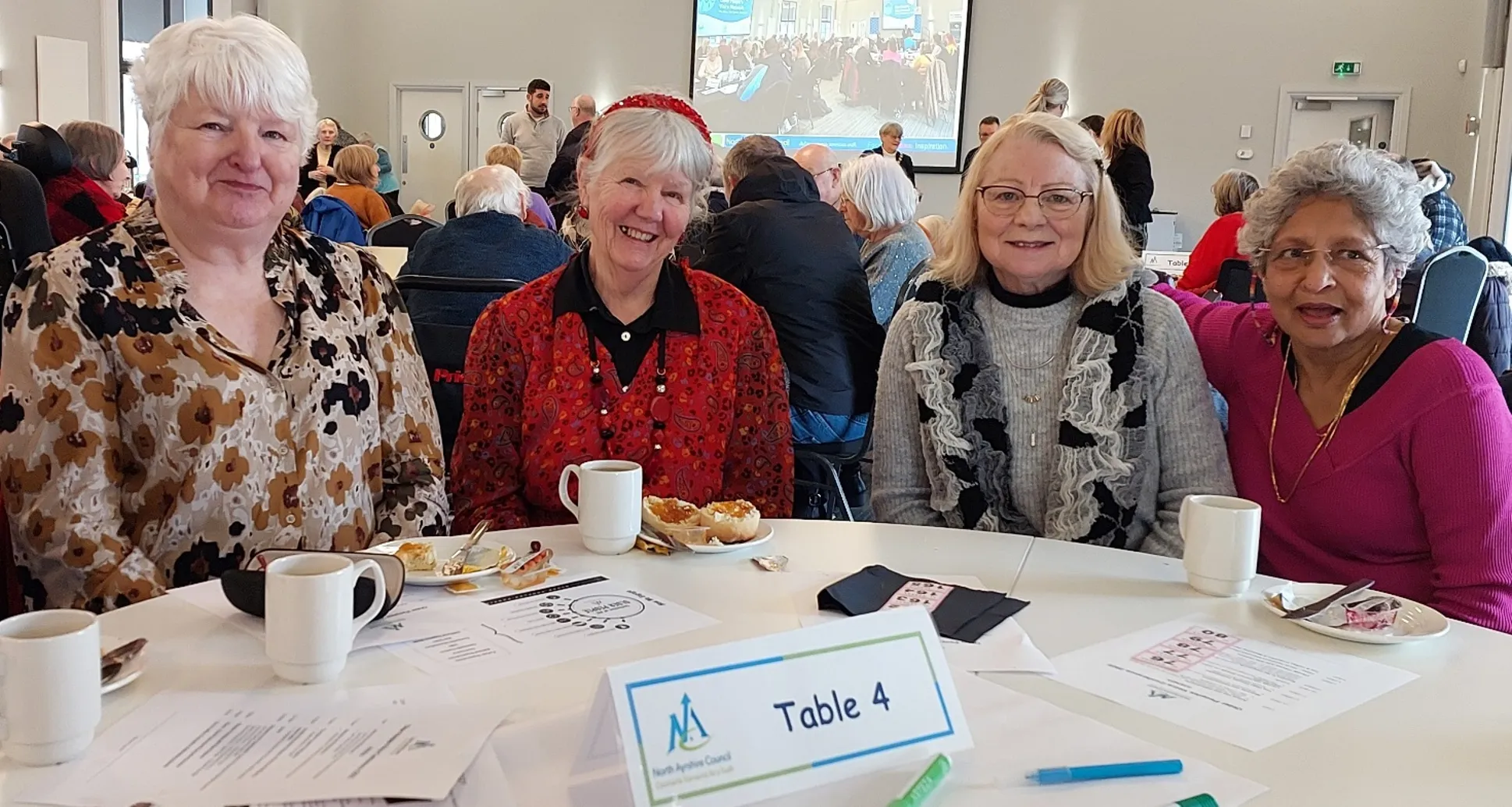
Our third annual Older People’s Voice Conference saw 60 residents take part on 6 March at Redburn Community Centre.
The community event was planned and hosted by our Council’s Community Learning and Development team in partnership with older people across the six localities. The conference is a key component of our Older People’s Voice Participation Strategy to ensure our older residents real life experience informs policy planning.
Attendees enjoyed an afternoon tea provided by Friends of Redburn and discussed what has worked well over the past year. Our council’s WhatsApp channel was highlighted as improving communication. It is being used to share key service updates and emergency communications to residents who may not be on social media but are confident using WhatsApp messenger.
Other themes discussed at the annual meeting included:
- Ensuring older people’s voices are heard, actioned and respected.
- Helping to shape the work of our council.
- Addressing inequalities.
- Achievement through intergenerational learning.
- Community participation.
- Information on elderly grants.
- Health and wellbeing (Including green health) in localities.
Local groups attended from localities across North Ayrshire, and these included: Irvine Seniors’ Forum, Three Towns Discovery Group, Age Well in West Kilbride, Kilwinning Vintage Voices and Watt Gardens Residents’ Group in Dalry.
During the 2025 to 2026 financial year, a total of £685,740 was awarded to community projects across North Ayrshire through the Community Investment Fund. Overall, 14 projects received funding across the localities. Some of these are:
- Beith Trust in Garnock Valley – funding was awarded to upgrade the Beith Astro 3G pitch to ensure its continued safe use as a key multi-purpose community facility.
- Impacts Arts in Irvine – for their Community Canvas project to deliver co‑designed murals that provide volunteering, skills development and employment opportunities while promoting wellbeing and reducing inequalities.
- PRYDE in Kilwinning – for the employment of a Community Development Manager, part-time community engagement staff and associated building overheads, enabling the delivery of a continued and expanded programme of activities within the hub.
- Cycling without Age in Largs - to purchase a second trishaw. This will be used alongside their existing trishaw on the promenade, allowing their volunteer “pilots” to take more people on trips.
- Craufurd Simson Park in North Coast- a community-driven initiative to develop a safe and inclusive playground for local residents. Group were awarded 50% of the total project costs and are seeking match funding for the remaining 50%.
- Saltcoats Victoria Football Club - to support Phase 1 of a planned upgrade of the facilities at Campbell Park. This includes a changing room upgrade involving new modular units which include changing for two teams, modern showering facilities and an officials’ changing room.
Co-design with third sector partners and community members remains central. Partnerships are translating shared priorities into early delivery and investment, with stronger alignment between prevention, community wellbeing, employability and social enterprise activity.
Money Max, a family-centred support team focused on putting people’s needs first by offering practical guidance, advocacy and support tailored to individual circumstances, was achieved through partnership. Our work with the Third Sector Chief Officers group led to its co-design and funding through the Child Poverty and Early Intervention Fund.
This pilot service brings together TACT, CHAP, Beith Trust, 1st Alliance Community Bank and Right Options to deliver a coordinated support across all of their organisations. The service can help with:
- Reducing debt and improving financial wellbeing.
- Benefit applications, banking options and savings schemes.
- Building confidence, skills and opportunities.
- Connecting people with the right support services.
- Providing a safe, non-judgemental space for guidance and development.
Money Max has entered the delivery stage with staff in post and joint programme design underway.
Test It! is a new social enterprise development programme designed and delivered in partnership with North Ayrshire’s Third Sector for North Ayrshire’s Third Sector. Building on research undertaken by the Third Sector Chief Officers Group, the programme is working with a small cohort of aspiring community and voluntary organisations to build skills, confidence and understanding of social enterprise within a peer support framework. Mentoring and workshop sessions are provided by Beith Trust and Right Options, centring learning on real experience of building a successful, locally owned social enterprise. The five successful organisations will receive start up grants of between £3,000 and £9,500 to launch their idea, in addition to 1:2:1 coaching for organisations with the potential to develop an early stage idea further. Workshop delivery begins in April 2026 and the first cohort will test their ideas over the remainder of the year.
Island Plans
The new five-year National Islands Plan was launched on 24 February and is supported by a £5.75 million package of investment for island communities to create jobs, strengthen local economies, improve infrastructure, enhance community resilience and support the transition to net zero.
The overarching purpose of the Local Island Plans is to drive sustainable economic development, build resilience, support population attraction and retention and advance our Council Plan priorities and overall vision of a North Ayrshire that is fair for all.
In response to the publication of the National Islands Plan 2026 to 2031 and building on the effective and substantial work to date, it is proposed that the North Ayrshire Islands Programme progresses work with island stakeholders, Elected Members and across council teams to co-develop refreshed and refined Local Island Plans. These will be aligned with our Council Plan, Community Wealth Building Strategy, the new National Islands Plan, the Ayrshire and Highlands and Islands Regional Economic Strategies and other relevant policies, strategies and plans.
Consideration will be given to developing island investment plans that can be used as a framework to maximise funding on the islands. It is intended they will identify strategic island and priority capital and revenue projects seeking external funding, ensuring there is a co-produced and co-defined project pipeline to maximise investment opportunities for the islands.
Island Investment
In partnership with the Scottish Government’s Islands Programme, over £800,000 is being shared over the following three projects on Arran:
- £382,399 is going towards building a new youth centre in Lamlash (Arran Youth Foundations Youth Centre).
- £323,925 will be used to upgrade the Brodick Hall Island Hub.
- £129,718 will help extend marine infrastructure at Lochranza.
The programme backs the advancement or establishment of projects that will help local communities deliver the National Islands Plan’s Strategic Objectives.
Our Community Planning team continues to lead and support CPP and Locality Partnership meetings, both online and face-to-face. They are facilitating the rollout of the Locality Planning Review recommendations, working closely with the Scottish Government and other national partners on key developing policy areas, and leading a council-wide review of community grants.
A Locality Communications working group has been established to explore how social media can be used more effectively to promote the work of the CPP. This includes highlighting Locality Partnerships (LP’s), publicising community events, sharing success stories, supporting engagement activities and promoting available funding opportunities.
Our CPP is maintaining close collaboration with our council’s Spatial Planning team on the development of guidance for Local Place Plans and the update of Locality Profiles. To ensure sufficient time for this work to progress and for resulting actions to be embedded, the refresh of Locality Plans has been rescheduled to 2026.
We have delivered a Place Partnership with Creative Scotland which facilitated new projects and initiatives in North Ayrshire including two Artist Residency Projects. The Harbour Arts Centre works actively to support local artists and community organisation in the delivery of art and cultural based events and activities to the local communities.
People from all over the world are improving their language skills through our Big Class sessions. Participants are allocated a group based on their English level to join with other learners. The programme is supported by our council's ESOL team, which includes Community ESOL tutors and volunteer tutors, through the Connected Communities service.
Ruslana, from Ukraine, attends the sessions and said:
“I like this class because it has helped me to overcome the barriers in communication with English-speaking people.”
“The lessons give me confidence in speaking and have helped me to gradually learn new words. I am starting to understand English better by ear, and I feel more comfortable in everyday situations.
Valentina, also from Ukraine, didn’t study English at school or university and said the class has been great for developing her language abilities due to the constant support from our council’s tutors.
“My English is getting better and better, and I would recommend the Big Class to other people”.
Next steps
All next steps noted within the Mid-Year Progress report are progressing as expected and included in the narrative above or listed below:
We will update the CIF guidance which is provided to applicants and strengthen the checklist which assists Locality Officers with decision making: Guidance has been drafted and will be shared with Locality Partnerships following the Scottish Parliamentary Election.
We will continue work with partners across our council, TSI and KA Leisure to understand how we can better attract, support, recognise and retain volunteers locally and improve the overall volunteer experience: We continue to work closely with partners across our council, the TSI and KA Leisure to share information and publicise opportunities in ways which make it easier for individuals to find volunteering opportunities and organisations to recruit volunteers.
Next Steps to be achieved by the end of September 2026 unless otherwise stated:
- We will progress the next phase of our Locality Planning 2.0 programme, looking to strengthen our locality networks.
- We will further develop the pipeline of Community Asset Transfer projects to increase the number of assets in community ownership.
- We will work with KA Leisure to develop the next phase of delivery of the Wellbeing Alliance.
- Our Community Planning Partnership will hold two training sessions in 2026 (August and December). Invitations will be extended to all partners, internal colleagues and Locality Partnership members.
- Locality Plan priority engagement is ongoing with Plans due to be considered by Locality Partnerships in the autumn.
- The Participation Strategy will be refreshed, supported by the upcoming work with Scottish Community Development Centre (SCDC) to build staff and partner skills in engagement and consultation by March 2027.
- We will launch engagement on proposals for a Community Transport initiative.
- We will refresh and relaunch the Community Engagement Network following our shared visioning with partners.
- We will progress work with island stakeholders, Elected Members and across council teams to co-develop refreshed and refined Local Island Plans.
Case Study - She Shed, Dalry
The She Shed was opened in August 2023 and aimed to provide a supportive space for all women in the community to gather, share and create. In 2025, to accommodate the increasing number of attendees, the group moved to the Dalry Scout Hall.
With continued support from locality staff they have been able to form a committee and become a constituted group with guidance and training offered on a regular basis. This has allowed them to apply for further participatory budgeting funding as well as from the Dalry Parish boundary trust to allow them to pay rent, plan activities and purchase resources to acknowledge the variety of interests of attendees. The She Shed has developed into a weekly hub for women from across the Garnock Valley who are welcoming and supportive of each other. They have hosted open days, attended events to promote the project and welcomed other partners to celebrate occasions with them such as Christmas and Burns Day.
The She Shed has worked well because there has been a positive impact on the lives of the people who attend. The women who attend report that they have benefited from attending the weekly sessions and found an improvement in their wellbeing. This has been achieved through the commitment of the volunteers from the She Shed and other local partners and their positive outlook towards partnership working. By collectively sharing information and access to resources they have been able to develop a community space that promotes the values and ethos of CLD, a safe and inclusive space for women to come together. At the core of the work being delivered is women’s welfare regardless of their race, class, sexuality and age. Their health and wellbeing is always considered and at the forefront when devising activities and providing information.
The She Shed has made a difference in the lives of women attending the group by reducing social isolation and giving them a space to connect with others and learn new skills. As a result of the She Shed, one member in particular has developed confidence to leave the house on a regular basis and speak to other people. Another woman now has a day where she has respite from her caring responsibilities. By attending the Shed she has the space to take time for herself and relax and recharge. These are just two examples of many where women’s confidence, health and wellbeing are being improved through community engagement.
Case Study - Community Conversations, Irvine
The purpose of the Community Conversations across the Irvine locality was to engage residents, community groups and partners in meaningful dialogue to shape action around four key local priorities:
- Supporting Skills and Work Opportunities
- Enhancing Mental Health and Wellbeing
- Alleviating Poverty
- Championing Green Health and the Natural Environment
The conversations were structured around the following themes: Poverty; Employability and Skills; Mental Health and Wellbeing; and Green Health and Open Spaces. In total 454 participants attended Community Conversations between January and March 2026. The findings will be used to create a new, inclusive and representative Irvine Locality 2026 to 2027 Action Plan. Engagement sessions included:
- Redburn Community Lunch hosted 84 residents to share food, ideas and conversations about what matters most in their community.
- Fullarton ConneXions welcomed 55 residents to Café Solace community meal provision, including four Alcohol and Drugs Partnership community groups alongside volunteers from Recovery Café in Irvine.
- Volunteer Rooms facilitated 39 participants from a range of community groups, organisations, colleagues and CPP partners.
- In total 149 of our children and young people took part in youth friendly conversations across our primary schools and youth groups.
The conversations were aimed to create accessible spaces for people to share lived experiences, highlight barriers, and contribute project ideas that would directly inform locality planning and future community development work. By gathering diverse voices from across Irvine, the programme sought to ensure that community‑led insight guided decision‑making and supported more inclusive, place‑based approaches.
The Community Conversations worked well because the approach was designed to be genuinely accessible, inclusive and rooted in the needs of our local people. Holding sessions in familiar community spaces helped reduce barriers to participation and encouraged residents to engage more openly. The informal, conversational style created a relaxed atmosphere where people felt comfortable sharing their views and experiences.
Strong partnership working also contributed significantly to the success of the activity. Local partners (Independent and third sector partners, Health and Social Care Partnership, Police Scotland, Scottish Fire and Rescue, NHS Ayrshire and Arran and Ayrshire College) helped promote the sessions, brought additional knowledge of community dynamics, and supported facilitation - helping to build trust and widen participation. Their involvement ensured the activity felt collaborative rather than service‑led.
A key factor in the success of the activity was the use of the online platform Consul to collate and present the information gathered. Consul provided an accessible digital space where community members could review emerging themes, contribute additional comments, and stay informed about the process at a time and place that suited them. This blended approach - combining in‑person conversations with an online engagement tool - helped widen participation, especially for individuals who could not attend sessions in person.
As a result of these conversations several key areas of focus were identified:
- Mental health and reducing poverty
- The barrier of transport
- Poverty pressures
- Community spaces as lifelines
- Supporting young people
- Mental health trauma and recovery
- Practical skills
- Green spaces matter
These sessions were received positively:
“A meaningful opportunity to have my voice heard.”
“Good chance to share our views with other like-minded partners.”
“Optimistic for the future to drive positive changes.”
The next stages in the creation of the Irvine Locality Action Plan will involve defining timelines, partners and expected outcomes, identifying pilots for quick implementation, and establishing regular community voice forums. We will ensure lived experience is embedded in every stage.
Climate Change
To achieve net-zero by 2030.
Key activities
Solar Farms
Both council solar photovoltaics (PV) developments at Nethermains and the former Shewalton landfill site are fully energised and generating renewable electricity. The solar farms are pioneering and the first to be owned and operated by a Scottish local authority. The sites are key to delivering our council's Sustainable North Ayrshire Strategy and will earn income for our council to help sustain local services by selling the electricity generated.
Some of the income from the solar farm will be used to help with community projects, addressing fuel poverty and encouraging renewable energy projects at a local level.
Community Energy Generation
Work is ongoing to identify further low‑carbon energy opportunities, including potential community ownership models and collaboration with local industry to make use of excess heat. The Community Renewable Energy Generation Fund continues to be promoted, with nine community groups supported since February 2024.
2030 Woodland: A Tree Planting Strategy
Delivery of North Ayrshire’s 2030 Woodland: A Tree Planting Strategy remains a priority, with continued support offered to community groups and ongoing identification of suitable planting sites. Since 2022 to 2023, 65,305 trees have been planted across North Ayrshire through a combination of council‑led projects and community‑led initiatives. This exceeds the 2025 to 2026 milestone target of 60,000 trees by 31 March 2026 and places the programme firmly on schedule to achieve the overall ambition of 108,000 trees by 2030.
A significant milestone was reached in February 2026 with the completion of 7,000 trees planted at Annick Valley Park in Irvine and in March, a new tree‑planting project commenced at Milgarholm Park, delivered in partnership with local social enterprise Eadha Enterprises and environmental charity Woodland Wakeup. The project will see 1,600 trees planted and includes strong community involvement alongside an on‑site educational programme delivered by Woodland Wakeup, helping to connect local people with the environmental benefits of woodland creation.
North Ayrshire 2030 Woodland Grant Fund
The 2030 Woodland Grant Fund 2025 to 2026 was launched in October 2025 to support not‑for‑profit community groups and local organisations across North Ayrshire. The £25,000 fund was widely promoted through multiple communication channels and closed for applications on 31 January 2026. Two applications were received, one has been approved to support a small‑scale tree‑planting project within a primary school, while assessment of the second application is ongoing.
Energy Use
Through a sustained programme of targeted investment in initiatives such as Building Management Systems (BMS), LED lighting upgrades and a range of energy-efficiency improvements, underpinned by proactive monitoring of energy use, the council has transformed the performance of its property portfolio. These measures have delivered reductions in energy consumption, playing a significant role in lowering carbon emissions and advancing the council’s commitment to a more sustainable, low-carbon future.
Community Participation
We continue to strengthen community participation in climate governance through a series of community climate conversations held across our localities. In addition, the Climate Change Steering Group maintains active engagement with internal teams, external stakeholders, and partners to support informed decision‑making on our journey to net zero.
Area Based Scheme (ABS)
The ABS continues to make positive progress, with resident engagement and energy efficiency installations underway on Cumbrae, Arran and at St Winnings in Kilwinning. Measures installed to date include air source heat pumps, high heat‑retention storage heaters and solar photovoltaic (PV) systems, supporting households experiencing fuel poverty.
Engagement has also commenced with homeowners living in properties in Beith and Kilbirnie. These homes have been identified as more difficult to treat, and where feasible the scheme will provide external wall insulation alongside solar PV installations.
In addition, for 2025 to 2026, the Scottish Government confirmed the expansion of the scheme to additional locations, enabling further investment in electric heating upgrades, cavity wall insulation and solar PV. The newly approved areas include Kilbirnie, Beith, Irvine, Largs, Saltcoats and Stevenston, with early engagement in these communities receiving a positive response.
ECO4 Flexibility (ECO4 Flex)
Our partnership with our ECO4 Flex‑approved contractor has continued to deliver improvements to homes across North Ayrshire since May 2023. They have installed more than 167 energy‑efficiency and heating measures in 48 households experiencing low income or vulnerability to cold. These works include air source heat pumps, solar PV panels, loft and room‑in‑roof insulation, internal wall insulation, boiler replacements, first‑time central heating systems and thermostatic radiator valves, securing over £1 million in external funding.
Carbon Neutral Island (CNI) - Cumbrae
Construction work on Phase Two of the CNI solar PV and battery storage project is now underway on Cumbrae. The aim of the project is to install solar PV and battery storage systems on 130 homes in Millport to reduce carbon emissions and address fuel poverty by enabling households to generate and store renewable energy. Feedback from the local community has been encouraging and the project is delivering wider community benefits. For example, as part of the contractual commitments, one supplier will fund the replacement of an outdated defibrillator in Millport.
Procurement
Through close joint working between Corporate Procurement and the Business Support and Development Team, local suppliers are being encouraged and supported to tender for council opportunities. This approach has delivered strong results as, during the final quarter of 2025 to 2026, contracts worth £490,000 were awarded to local businesses. This amounted to £32 million across the financial year, demonstrating our council’s continued commitment to retaining spend within the local economy and building resilient local supply chains.
Sustainable Growth
The Recovery and Sustainability Project has continued to deliver strong results, consistently exceeding agreed targets during 2025 to 2026. The programme has made a significant contribution to economic recovery and environmental improvement, supporting businesses while accelerating progress towards net zero.
Key outcomes delivered during the year include:
- Five Green Inward Investments within: power generation; wind farm supply chains; and circular economy/Waste. This will create over 100 jobs with further opportunities expected.
- 12 feasibility studies looking at business adoption of green technologies or green power with focus placed on solar energy, hydro projects, waste and capital equipment.
- 1,212 tons co2e reductions seen through interventions.
- Over £500k energy savings.
- 11 businesses supported through training provision.
- 147 projected new jobs.
- £2.4m external funding secured.
- 118 tonnes of waste diverted from landfill.
- Business investment in six new charge points.
Maximising Reuse
Our council supports a circular economy through partnership working with our bulky waste reuse provider. Between 1 April 2025 and 31 March 2026, 944 mattresses (24.3 tonnes) were collected for reuse, reducing waste.
During the same period, 220 tonnes of household furniture was collected from across North Ayrshire and diverted for reuse. This activity supported 1,883 households to furnish their homes, while delivering wider social and economic benefits by employing 21 staff and two volunteers.
Policy Development
Officers continue to work in partnership with COSLA, SOLACE and the Scottish Government through a national co‑design approach to shape new circular economy policy including a revised statutory Code of Practice for Household Waste Recycling. This work forms part of Scotland’s emerging Circular Economy and Waste Route Map and will directly inform our council’s future Zero Waste Strategy, identifying further opportunities to improve reuse and recycling.
Recycling Performance
Our household waste recycling performance remains strong. Our provisional recycling rate for Quarter four (October to December 2025, calendar year) is 48.2%, exceeding the phased target of 46%, subject to final verification by SEPA in the autumn.
For the 2024 calendar year (figures confirmed one year in arrears), North Ayrshire achieved a 53% household recycling rate, placing our council 9th out of 32 Scottish councils through the Local Government Benchmarking Framework and well above the national average of 44.3%. This performance is delivered while managing one of the highest waste tonnages among the top‑performing authorities, highlighting both our strong outcomes and operational scale.
We were recognised with the Most Improved Performer Award by ASPE in December (see A Sustainable Council section below).
Climate Education
During 2025 to 2026, our Energy and Sustainability Team delivered 58 climate and energy learning sessions across 21 schools, reaching 1,509 pupils and supporting practical climate action within school communities.
Schools and early years settings continue to benefit from professional learning delivered by the Learning for Sustainability Education Officer, supporting staff to develop confidence and practical skills in outdoor learning and biodiversity. This ongoing programme helps strengthen our children and young people’s connection with nature and the environment. Areas of focus have included improving biodiversity within school grounds, exploring renewable energy and applying outdoor approaches to literacy and numeracy.
Within our council workforce, Carbon Literacy training was provided to 26 volunteer Climate Champions across our services, with further engagement planned next year, including training for Elected Members.
Community Climate Planning
Engagement with local communities continues to support the development of Community Climate Action Plans, with officers attending community events to discuss priorities, opportunities and challenges. We have been working with groups across North Ayrshire to help identify actions for further exploration, with recent activity focused on communities in Arran.
To help ensure wider participation, an access controlled online platform is used for structured engagement with community groups. This has been developed with support from our council’s Geographic Information System Analytics Team, enabling residents who are unable to attend Climate Workshops to share their views on climate action.
Community Volunteering
All planned sustainability and volunteering activity was successfully delivered during quarter four, including litter‑picking, tree‑planting and youth engagement. These activities form a core part of the Irvine “Community Conversations” programme. As a result of this engagement, the North Ayrshire Community Planning Partnership has supported a funding application of £80,000 to the Scottish Government. If approved, this will enable delivery of a summer roadshow, followed by engagement sessions with local secondary schools and partnership working with community organisations.
Biodiversity Action
In partnership with NatureScot, Streetscene is delivering nature‑based improvements, including the creation of naturalised open spaces and wildflower meadows to support wildlife and pollinators. Investment through regeneration funding has enabled the purchase of specialist equipment to support habitat management and nature restoration. In addition, £27,500 of regeneration funding is supporting reconstruction works at Shewalton Pond, with completion expected by mid‑summer, and 26 biodiversity enhancement projects led by local communities are being supported by the Community Nature Restoration Fund.
Our Libraries have supported environmental awareness and reuse through the delivery of 96 themed activities, including Seed Library sessions.
Across parks and greenspaces, work progressed on biodiversity and conservation, including ranger‑led citizen science events, invasive species control with volunteers, and ongoing management of Phytophthora ramorum (plant disease). The Fish Pond project, north of the old formal gardens woodland, continues to progress at Eglinton Park, with final works expected in 2026 to 2027.
We continue our partnership working through the North Ayrshire Biodiversity Partnership.
Active Travel
Our council has been awarded funding from the UK Government’s Levelling Up Fund (LUF) to improve active travel opportunities in the i3 Business Park in Irvine. Existing footways are being upgraded and new connections created to provide better opportunities for people to walk and cycle to and within the business park. The upgraded routes will also add to the network of recreational routes to the south-east of Irvine.
Some routes within the business park have experienced vegetation encroachment. Path widening and clearance works will improve safety, visibility and accessibility for walking and cycling. Tree works have commenced on Long Drive, with further works planned along the River Irvine path. Where required, permissions have been granted by Scottish Forestry, with replacement native planting to be delivered in line with our council’s Tree and Woodland Management Policy and Tree Planting Strategy to support biodiversity and woodland connectivity.
Other LUF supported Active travel Projects include Riverside Way (Irvine), Strategic Investment Route (River Irvine Path), and Long Drive (Irvine) extensions.
Active Travel Routes – Completed in Quarter Four:
- Route upgrades in Beith/Kilbirnie and Largs.
- Improvements at Blacklands Recreation Ground.
- Enhanced sections along Bannoch Road (Irvine Road to Corsehill, Kilwinning).
- Pedestrian improvements between Auchenharvie Road and Canal Street.
- Vegetation clearance, new cycle stands and general route enhancements.
- Delivery of the Long Drive Active Travel Route.
- Completion of Links to Eglinton Phase 2 – Stage 1.
Active Travel Facilities:
Investment in supporting infrastructure included:
- New e‑bike infrastructure on Arran.
- Cycle parking installed at Eglinton Park Community Garden.
- Additional cycle stands across key locations.
Planning for Future Routes
Work continues to develop a pipeline of active travel projects for future delivery and funding. This includes accessibility audits, design and feasibility work for routes across Arran, the mainland and the islands, detailed design for National Cycle Network crossing improvements, and preparatory works for schemes at Valefield Bridge (Kilbirnie) and Putyan Burn (Dalry).
Public Transport Improvements
Enhancements to public transport infrastructure during the period included the installation of Real Time Passenger Information (RTPI) signs across the North Coast and Garnock Valley (subject to final trunk road permissions), alongside Bus Infrastructure Fund improvements such as replacement shelters, strengthened bus stops and accessibility reviews on the Broomlands Busway.
Travel Smart
The Travel Smart Programme continues to support behaviour change by encouraging greater use of active travel and public transport, helping to reduce carbon emissions and promote a more sustainable transport network.
Key activity this period includes:
- Targeted campaigns, workplace engagement and community outreach delivered through the Travel Smart Programme and the mobile Trinity Active Travel Hub.
- Guided walks, cycle sessions, volunteer‑led activities and practical initiatives such as bike maintenance classes.
- Support for workplaces to develop tailored travel plans and improve access to sustainable travel options.
- Promotion of active travel opportunities through the Trinity Hub social media channels.
These behaviour‑change initiatives complement our council’s wider programme of active travel and public transport infrastructure investment outlined above.
Next steps
All next steps noted within the Mid-Year Progress report are progressing as expected and included in the narrative above. Next Steps to be achieved by the end of September 2026 unless otherwise stated include:
- We will continue to provide strong leadership, engagement and education to support our journey to net zero, including climate education and training for pupils and staff to enable practical action on climate change and biodiversity.
- More homes in priority areas will benefit from low‑carbon heating and renewable energy, helping to cut emissions and reduce fuel poverty.
- Community‑led climate action and volunteering will continue to improve local environments, supported by the Streetscene Team and partners through environmental events, wildflower meadow development, regular litter picking and neighbourhood improvement activity.
- Community‑led tree planting will continue in line with the 2030 Woodland Strategy, alongside exploration of further collaborative planting opportunities and larger‑scale woodland creation projects at Montgomerie Park and Bartonholm in Irvine. This will support biodiversity, nature restoration and increased woodland cover.
- Delivery of the Recovery and Sustainability Project will focus on new accelerator programmes and increased support for business capital investment to drive sustainable, low‑carbon growth.
- We will maximise the benefits of our solar farms by supporting community projects and developing new local low‑carbon energy opportunities.
- We will await the outcome of our £80,000 Scottish Government funding application to enable delivery of a summer roadshow, followed by school engagement and partnership activity with community organisations.
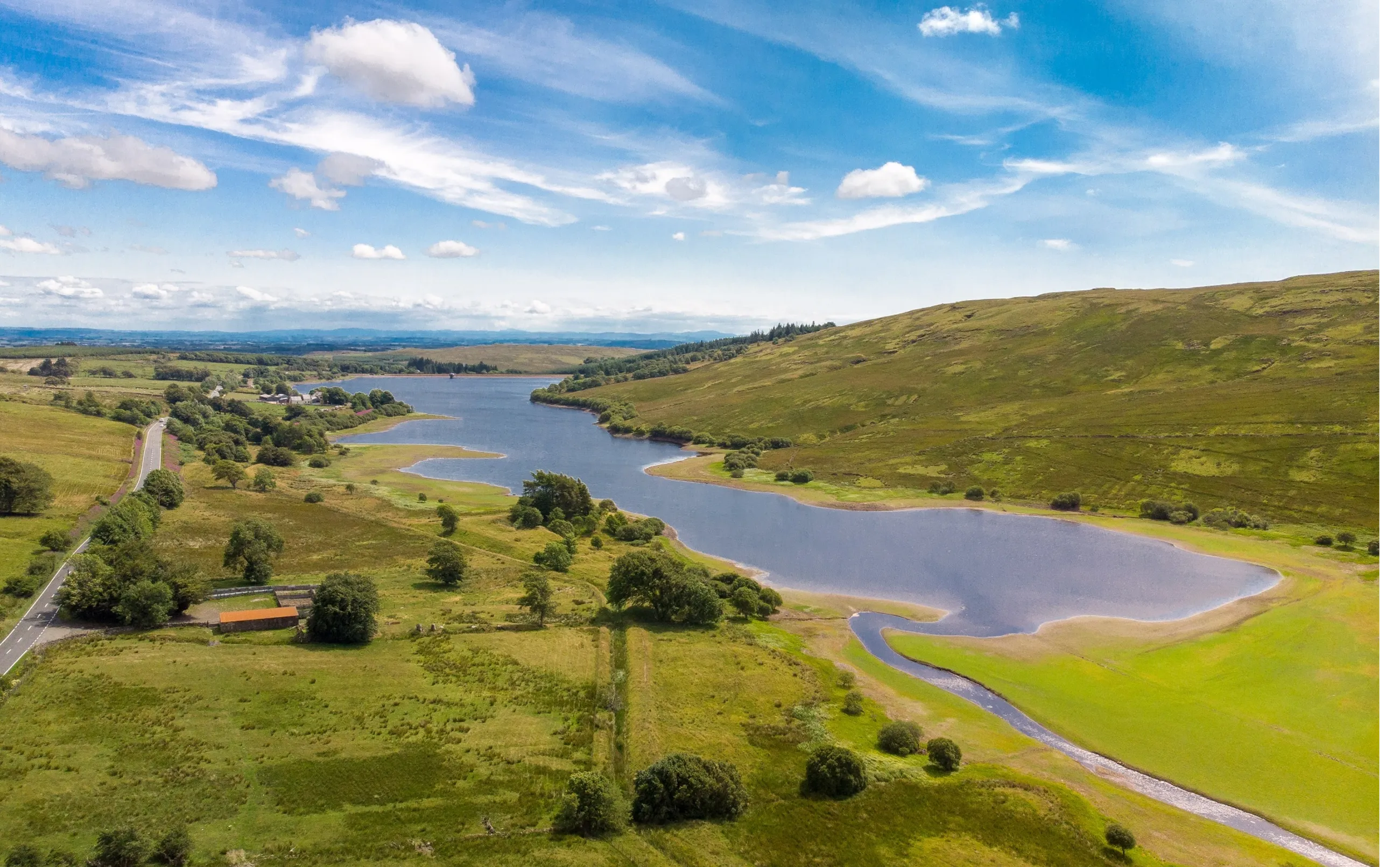
Case Study - Solar PV Farms
Introduction
Council declared a climate emergency in June 2019 and committed to achieving net zero carbon emissions across the council estate by 2030. Scottish Government’s net zero target is by 2045, therefore our council has a role to play in supporting area-wide emissions to help achieve the national target.
The Sustainable North Ayrshire Strategy is our council’s route map to net zero, with one of the actions within the strategy to develop two solar PV farm projects on former council-owned landfill site.
Background
During a budget setting meeting in March 2020, Council allocated funds towards the development of two solar photovoltaic (PV) farms at Nethermains, Kilwinning and Shewalton, Irvine.
The solar PV farms were planned to:
- Provide a substantial amount of clean, renewable energy to supply the local electricity grid.
- Make a further positive contribution toe Council’s climate emergency declaration commitment to be net zero carbon by 2030.
- Provide a localised economic activity and long-term productive use for the former landfill sites that would be otherwise difficult to develop.
- Provide an annual net income that can be reinvested in North Ayrshire.
This one-off project was procured as an open tender to maximise competition and value for money.
The contract commenced on 10 March 2023, and was split into three phases:
- Phase 1 – Design of Nethermains, Kilwinning & Shewalton, Irvine.
- Phase 2 – Build, Operation and Maintenance of Nethermains, Kilwinning.
- Phase 3 – Build, Operation and Maintenance of Shewalton, Irvine.
Current Position
Construction of both solar farms is now complete.
Nethermains solar farm was energised on 19 September 2025 and formally launched on 1 October 2025. The 7.6MW solar aims to produce approximately 7,680MWh of electricity per year.
The 5MW solar farm at Shewalton was energised on 5 March 2026 and aims to generate approximately 5,414MWh of electricity per year.
The energy generated from both sites is monitored remotely, and since energisation, more than 5,100MWh of electricity (enough to power approximately 2,800 homes for a year) has been generated. The sale of the renewable energy from both sites is facilitated by a Power Purchase Agreement with OVO Energy for the first year of operation.
In addition to utilising sites for renewable energy, which would have otherwise been left vacant, biodiversity enhancements have been possible through consultation with NatureScot and aligning with our council’s Tree Planting and Nature Network strategies. On Nethermains, 8,000 trees have now been planted on land unusable for solar, and a landscape management plan to address invasive species on Shewalton is in development.
Next steps
As the solar farms enter the operation and maintenance phase of the project, our council is looking towards a pipeline of potential large scale renewable energy projects, to further reduce area wide emissions, support council services, and increase community participation in the journey towards net zero in North Ayrshire.
A Sustainable Council
A Community Wealth Building Council that is efficient and accessible, maximising investment and focusing resources towards our priorities.
Key activities
North Ayrshire Council’s scheduled Controller of Audit (Section 102) Best Value report was considered by the Accounts Commission in October, and Council in December. The findings are extremely positive, highlighting a culture of continuous improvement, a proactive focus on addressing inequalities in our communities and stating the council is “an exemplar of how to do transformation well”. See ‘Audit, Inspections and Accreditations’ section below.
We held our 2026 to 2027 Budget Engagement between 6 November and 19 December 2025. During this period we consulted with our residents and community groups on a number of proposals across two themes:
- Children and young people
- Other Council Services
In addition to community discussions, 1,125 responses were received across the two themes (887 responses for “Children and young people”, and 338 responses for “Other Council services”) showing considerable engagement with our residents and community groups resulting in informative feedback on the proposals.
As with our previous budget consultation, the proposals were grouped into themes so that residents could respond to the areas that mattered most to them, minimising survey fatigue and ensuring a higher completion rate. Residents were able to respond through an online survey or a variety of mediums to avoid digital exclusion and make the survey accessible. These included:
- Posters displayed in front facing locations with QR codes linking to the survey.
- Paper copies of the survey available through front-facing locations.
- Completion via telephone via our Customer Contact Centre.
- Community discussions.
To reach our young people, a young person friendly version of the consultation was carried out in face-to-face sessions with school pupils, young people with disabilities, the North Coast Youth Forum, the annual North Ayrshire Youth Conference and North Ayrshire Joint Champions Board Conference. This included listening to care experienced residents.
Engagement feedback was analysed, informed the budget proposals and accompanying Equality Impact and Children’s Rights Impact Assessments (ECRIAs), all of which were presented to Council on 11 February 2026 in advance of the budget meeting of Council.
At a Council meeting on 25 February, our 2026 to 2027 budget of £485 million was approved. The budget included several key investment and policy decisions:
- £1.36 million reallocated from the i3 Energy fund to support the development of a new council-owned renewable energy project.
- £276,000 added to strengthen work aimed at reducing child poverty.
Extensive support was provided to services completing ECRIAs on Budget proposals, this resulted in 14 Screening Forms (not requiring a full assessment) and eight Full Impact Assessments shared with Elected Members in advance of the Council budget meeting.
Assessments were informed by our Council’s extensive Budget Consultation Exercise, which included survey questions on both the perceived impact on people with protected characteristics and other elements of our ECRIA. Optional personal demographic information was completed by survey respondents to help provide a fuller understanding of potential impacts.
Inline with legislation, ECRIA's are also completed for non-budget related activities. Recently this has included the completion of Screening forms for an internal Alcohol, Drugs and Solvent Misuse Policy, the relocation of Customer Services from Bridgegate House to Cunninghame House as part of our estate rationalisation and The Youth Participation Strategy. Once complete, all are uploaded to our website.
We continue to support the Pan-Ayrshire British Sign Language (BSL) Advisory group to progress the BSL Plan. Four officers from across our council completed a BSL introductory course, including an employee from our Sensory Impairment Team who has direct interaction with our BSL Communities. Employees will be attending more advanced courses during the autumn of 2026.
Following attendance at the launch of the Scottish Government Inclusive Communication Toolkit, planning is underway to consider how the key elements can be adapted across our council.
Continuing our ambition of rationalising our council’s non-domestic property portfolio, construction works began on 5 January to create a new customer service centre on the ground floor of Cunninghame House. As part of property rationalisation approved by Cabinet in March 2024, further projects will be completed in 2026 to 2027 including:
- The vacation of Quarry Road, Trinity Church and Galt House to merge operations into Cunninghame House.
- The vacation of Bridgegate House and subsequent consideration for future uses as part of Irvine Town Centre regeneration work.
We have been working closely with the Scottish Government and our Registered Social Landlord partner, Trust Housing Association, to secure support from the Scottish Government‘s Key Workers Fund. This funding will enable the purchase of homes on Arran to help meet the housing needs of key workers.
We have also successfully secured a £1.838m investment from the North Ayrshire Ventures Trust (NAVT) and £1.169m of Regeneration Capital Grant Funding (RCGF) to support regeneration improvements within the Bourtreehill Village Centre.
Our Annual rent consultation was carried out between 5 December 2025 and 16 January 2026 and attracted the highest number of responses for this survey. Tenants were sent information regarding two potential rent increase options. The first option of an average 3.84% increase, equivalent to £3.50 per week, was favoured by 75% of respondents and approved by Council in February. It will help maintain current investment levels in priority areas including home improvements, sheltered housing, developing new affordable housing, and buying back former council houses. As with all of our consultations, tenants without access to the internet were able to participate via their local housing office or library or could request a survey form be posted out to them with a free return envelope provided.
Our Vacant and Derelict Land Fund allocation for 2025 to 2026 was just over £1.5m. With this funding, proposals have been developed for Lochshore and Portland Road, Irvine. Supporting our Vacant and Derelict Land Strategy, these areas were highlighted for development following an examination of cross-service project expressions of interest.
Via the UK Shared Prosperity Fund (UKSPF), six council-led projects with a value of £376,535 are currently underway and three have been completed. In addition, 24 local groups shared £397,000 which included £250,000 of UKSPF support.
The Irvine Pride in Place (previously Plan for Neighbourhoods) regeneration plan was approved by the UK Government in March 2026. Year one will see the following projects progress:
- Bridgegate Enhancement
- Station Square / Underpass
- Town Dressing
- Community Fund
- Murals
Delivery of the plan is being supported by our officers and the recruitment of a new Irvine Neighbourhood Board Chair is underway.
The Pride in Place Impact Fund (PiPIF) (announced by the UK Government in September 2025) will see £1.5m of capital funding invested in North Ayrshire over the next two years. The PiPIF will provide immediate support, complementing the Pride in Place Programme by enabling the development of community spaces, supporting the regeneration of our high streets and public spaces.
The Three Towns has also been selected for the Pride in Place Programme and recruitment of a Neighbourhood Board Chair is ongoing
On 2 December 2025, Cabinet agreed that PiPIF funding would be aimed at areas that have not previously benefited from Pride in Place funding or the previous Plan for Neighbourhoods funding. PiPIF funding will be assigned via one of the three following ways:
- A direct allocation to participatory budgeting in eligible localities
- A community funding allocation and direct council-led delivery of projects informed by the Regeneration Delivery Plan
- Associated strategies and plans
The Smart Infrastructure Pilot Project (SIPP) has moved from initial installation into early use. A workshop was held with key partners to build a shared understanding of how the technology works and how it can begin to support local services. In March 2026, a Data Protection Impact Assessment was carried out for the new public Wi-Fi network, which was approved allowing work to progress towards a planned launch in May.
The project’s digital platform is now live and providing real-time insight into footfall in addition to noise and weather data. Teams working in regeneration, tourism and public safety are already using the data to inform their work and are embedding the technology into routine activity to support the delivery of the Great Harbour project.
Our Digital Infrastructure and Connectivity plan together with accompanying guidelines is now complete with a final learning session scheduled early in the next financial year. This will help inform future digital infrastructure investment decisions enabling our Transformation team to work with other services and to determine opportunities and align with the Ayrshire Growth Deal Building Digital Capital project.
The Ayrshire 5G Innovation Region (5GIR) programme was awarded additional funding of £400,000 bringing the total value of the programme to £4.4m. Completed in March 2026, the programme delivered a realised Gross Value Added impact of £7.8m evidencing strong place-based impacts of better digital connections for the local economy. Enabling further investments in regional connectivity, the programme achieved the following:
- Engagement with more than 220 stakeholders.
- Delivery of 107 learning events.
- Support for 18 Small to Medium size Enterprise grant-funded projects.
- Deployment of 25 advanced wireless network solutions.
- Upskilling of over 200 individuals.
A key outcome of the 5GIR programme has been the creation of a shared approach to developing Ayrshire’s digital economy. This approach supports the Ayrshire Digital Economy Framework and helps build the skills, infrastructure and partnerships needed to strengthen digital capability in our localities. Following changes to how the Regional Economic Strategy is being delivered, work has moved away from producing a separate digital masterplan and is now focused on developing a practical roadmap for the Ayrshire Digital Economy Ecosystem (ADEE), directly aligned with and supporting the Regional Economic Strategy.
A commitment to long-term collaboration (through to 2030) has been put in place with ADEE partners providing strong infrastructure for the governance and delivery of future investment and innovation activity across Ayrshire.
Our journey with 5GIR is now informing the Ayrshire Growth Deal Building Digital Capital business case which will focus on digital infrastructure and private sector leverage.
Improvements to our play facilities are ongoing by our Streetscene team. A large focus has been on accessibility improvements both for accessing the facility and when using the play equipment – this has been facilitated by capital funding from the Scottish Government.
Play facilities in coastal areas are in development and improvements at Irvine Beach Park are well underway including a skate park, cycle pump track and play park.
A review of our existing assets is ongoing with new replacements being made where possible, as well as working with our communities to redistribute older assets to libraries, community centres or schools bringing these back into use. For example, benches from Millport were gifted to local community groups.
The Staff Promise Conference was held in January with 81 employees, partners and 10 care‑experienced young people attending. Young people from the Champions Board presented the What Matters to Us priorities and challenged practice.
The e-learning module on Corporate Parenting went live and is mandatory for all council staff to understand their responsibilities around supporting care experienced young people.
We are supporting employees from the Community Learning and Development service to undergo professional qualifications in partnership with the University of the West of Scotland. This helps to improve the quality of the support we can deliver to community members and organisations.
We have established the Ayrshire Collaborative to explore transformational working approaches and improve service delivery through the Public Sector Reform lens.
The Connected Leadership Conference enables senior officers to share best practice to deliver the priorities of our Council Plan. A Connected Leadership Conference on Climate Change was held on Monday 19 January at Saltcoats Town Hall. Our Chief Executive, Executive Director for Place, Head of Sustainability, Transport and Corporate Property, and Senior Manager for Sustainability provided updates and led valuable discussions.
Following this, a Chief Officer Leadership Team session on climate change was delivered in March. The aim of the session was to transform the discussions at the Leadership Conference into specific measurable actions that could be taken forward by defined officer leads to ensure sustainability in council services.
On 25 November 2025 we hosted our second ‘Great Place to Work’ event which was attended by over 400 employees from several council areas. Over 20 information stalls were available on the day and were hosted by a mix of council representatives and partner exhibitors.
Our council is now a Breastfeeding Friendly Employer. We have joined the Breastfeeding Friendly Network which is a UK-wide scheme that looks to empower mothers by raising awareness of their rights under the Breastfeeding etc. (Scotland) Act 2005 and the Equality Act 2010.
Our council has paid the real Living Wage for the last 14 years and implemented the May 2026 increase six months early in October 2025. The increase of £0.85 from £12.60 to £13.45 positively impacts 796 council employees.
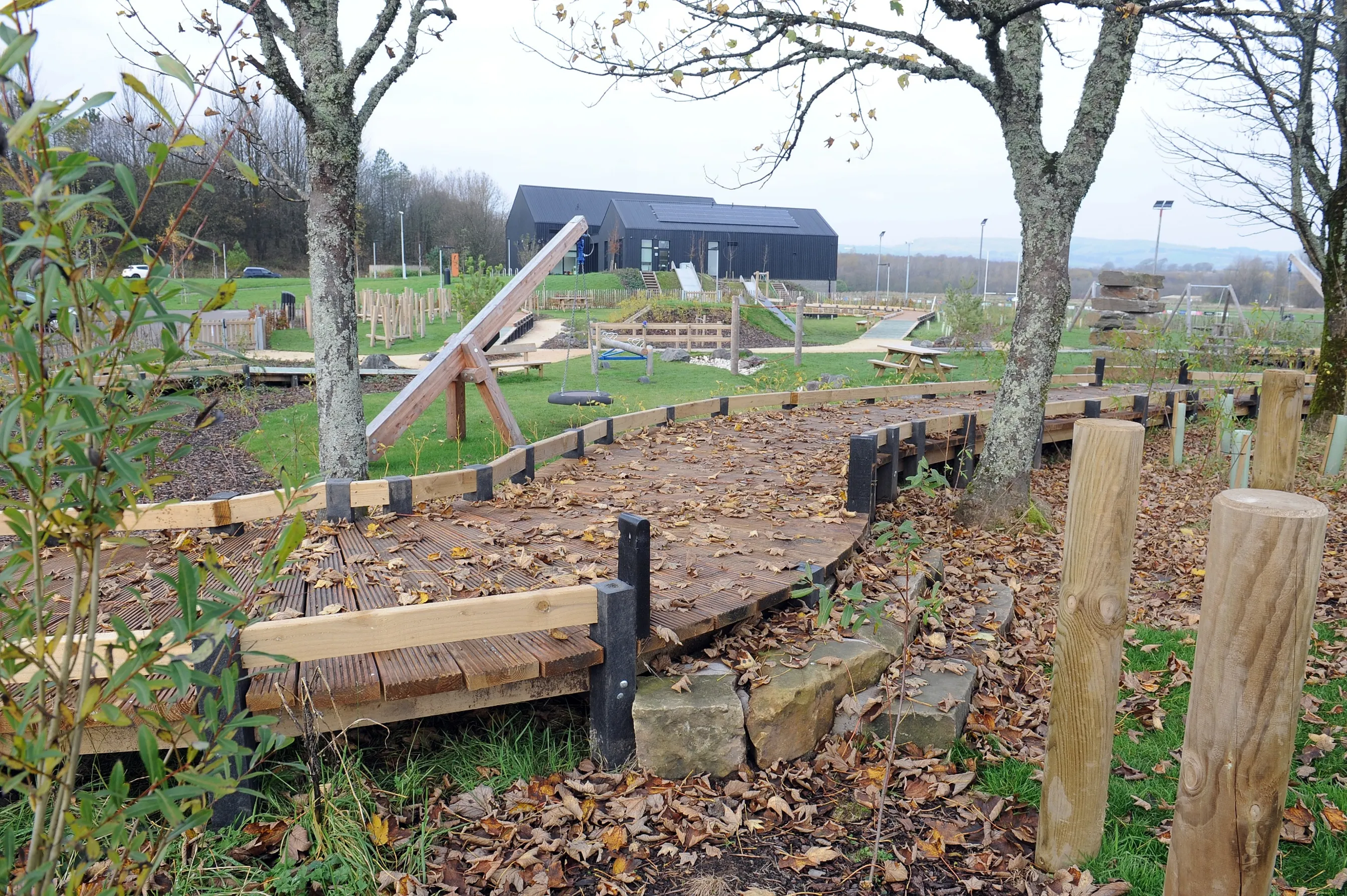
Our Transformation Programme
Our current Transformation Programme was approved in 2023 and developed alongside our Council Plan 2023 to 2028. The programme being delivered by our council has been progressed around the key priorities of our Council Plan, driving change and transformation, using technology and innovation where possible to deliver efficient services to help address the financial challenges facing our council. Through embedding a culture of continuous improvement, crucially the delivery of our Transformation programme can protect the services we provide to our residents. This section provides an update on projects that have reached particular milestones in this period to enable focussed scrutiny.
Our Digital Working Group continues to develop key digital projects agreed as part of the national transformation project teams for Housing, Waste, and Fleet Management. This includes strategic activity across our council and nationally through the Scottish Government, Improvement Service (IS), SOLACE and Digital Office. To date the following progress has been made:
Parents Portal: This is the national online platform that allows parents and carers to communicate digitally with schools and access a range of services. All secondary schools were live by the end of February, with cluster primary schools on track to be fully rolled out by the end of the 2025 to 2026 school session. The roll‑out is making strong progress, particularly through the successful move to digital report delivery. To date, 70% of Progress and Achievement Reports have been issued digitally by schools currently using Parents Portal. Training for Education Business Assistants was completed in February, with two additional catch‑up sessions to follow.
Artificial Intelligence: Following the approval of the Generative AI Policy by Cabinet in September 2025, providing clear guidance for staff on the appropriate use of this technology, a trial is currently underway until July 2026 using a licensed version of Microsoft Copilot to test additional functionality.
Digital Economy: This looks to shape North Ayrshire’s digital future through the Digital Infrastructure and Connectivity Plan. The work on the Digital Connectivity Procurement Framework provided valuable learning, which is now informing the Building Digital Capital programme and supporting a more effective delivery approach. Regionally, our partnership through the Ayrshire 5G Innovation Region has progressed, with a new Memorandum of Understanding extending collaboration to 2030, securing long‑term commitment to digital innovation, and providing a strong legacy beyond the current 5G funding cycle.
Digital Inclusion: Partnership working between libraries, CLD and specialist organisations continues to strengthen digital inclusion across North Ayrshire. Targeted support for people with sight impairment has expanded through collaboration with Triple Tap Tech, alongside a wider programme of Device Advice, Coding Clubs, Computer Buddy Support and Community Learning and Development provision. Together, this coordinated approach delivered 53 digital learning sessions, supporting 192 adults and children to build skills and confidence, with additional capacity provided by Digital Volunteers.
Blue Badge Scheme for Disabled Parking: Progress has also been made on the application process, with a feasibility study now complete and due to be reported to SOLACE in April 2026. Alongside this, a Digital Maturity Assessment led by the Digital Office is underway, helping us to better understand our current digital position and shape a future‑focused digital strategy.
The Irvine Locality Review continues to be progressed as part of the Land and Property workstream. The main purpose of the review is to rationalise our council’s property estate in alignment with our strategic objectives.
Phase 2 works now completed/ongoing:
- Works have completed on the new Training Suite at Cunninghame House which is now operational.
- Work commenced on Customer Service Centre with expected completion in May 2026.
- Work commenced on construction changes at Quarry Road with completion now expected by end of June 2026.
Phase 2 works are ongoing with a review of the remaining localities and land being undertaken:
- A three-year plan is underway to review the remaining five localities across North Ayrshire.
- Service areas have been consulted regarding land requirements and commenced mapping of land areas with workshops now taking place and expected completion in August 2026.
The Commercial Property Workstreams vision is of a more efficient property portfolio across three themes. Progress across each workstream includes:
Maximise occupancy from the current estate portfolio
Following the transfer of the commercial estate to the Property Management and Investment team in April 2025, a comprehensive review was undertaken to improve performance, maximise income and support Community Wealth Building. A programme of targeted actions has stabilised the estate, improved occupancy and rental income, and strengthened management and oversight arrangements. These improvements provide a stronger platform for sustainable, long‑term growth of the commercial portfolio.
Actions taken to date include:
- Repossession of multiple units abandoned by tenants.
- Active remarketing of vacant and under‑used assets.
- Earlier engagement with tenants on rent arrears.
- Alignment of rental levels with market conditions.
- Introduction of improved monitoring, reporting and annual review arrangements.
These actions have delivered a 0.57% increase in occupancy and a 13.75% uplift in rental income over the past 12 months, while improving visibility of performance and enabling earlier intervention where issues arise.
Maximise opportunities from Economic Development, Growth & Regeneration and Ayrshire Growth Deal investment (existing projects)
The following activities have been progressed to maximise the opportunities from investment:
- i3 Flexible Space, Irvine: The Ayrshire Growth Deal programme has provided modern commercial industrial property with the completion of one 18,180 sq. ft (1,689m2) unit as part of the i3 Flexible Space project in Irvine. The unit is currently being marketed for occupation, with submissions under assessment.
- Portland Rd. Land Sale: Legal Services have been instructed to conclude missives of a partial land sale, following Cabinet approval. Regeneration Services will undertake cross service engagement to identify options for the remaining land.
Develop proposals for new investment and securing Return On Investment (ROI) (future projects)
An award for the Levelling Up For Ayrshire - Commercial and Low Carbon Infrastructure under the Levelling Up Fund (LUF) round three of £17.4m was secured from the UK Government. Informed by market feedback, the North Ayrshire proposal aims to address market failure in the delivery of new energy efficient commercial property alongside the provision of associated low carbon infrastructure at key employment areas in Irvine. These funds are further supported by a successful award of £890,990 from the Scottish Government’s Vacant Derelict Land Investment Programme (VDLIP). The Irvine investment concentrates on Kyle Road, Annickbank and i3 sites.
The following activities have been progressed:
- Kyle Rd Phase 2, Irvine: Following additional design work, the tender pack is currently being finalised and expected to be issued in April 2026.
- Annickbank Innovation Campus, Irvine: The tender process has recently been undertaken and a contract award is in progress.
- i3 Flexible Space Phase 2: Design work is currently being finalised to support a tender issue in Spring 2026 for the construction of a new industrial building.
The 7.560MW Nethermains Solar Farm has now moved into the Operation and Maintenance Phase following the works completion certificate being issued in January 2026. A tree planting exercise was also completed in January with a total of 8,050 trees planted, further supporting our Tree Planting and Nature Network strategies.
A gas pumping trial was successfully held on the Nethermains site throughout January - February 2026. The trials were successful with a decision pending on whether to proceed with the gas recovery works.
The 5.344MW Shewalton Solar PV Farm was commissioned on 6 March 2026. An official opening is expected to take place at a later date subject to Scottish Government availability.
An energy sales contract is in place for both sites for one year with the option to review and extend for a further two years.
Special Uplifts: Following updated Persistent Organic Pollutants Regulations and new guidance issued by the Scottish Environment Protection Agency (SEPA), we were required to introduce a new Waste Upholstered Domestic Seating (WUDS) to be collected and managed separately for items such as sofas, sofa beds, chairs, stools etc. Since the introduction of the new process in September 2025, over 6,200 customers from Arran, Cumbrae and the Mainland have placed special uplift orders successfully using the new form.
In-Cab Devices: To further support service efficiency, a decision was taken to extend the use of in‑cab devices to additional service areas, including Bulky Uplifts and Bin Deliveries in 2026. A pilot commenced in March 2026, with targeted vehicles scheduled to receive devices between May and June 2026. The In‑cab devices provide collection crews with real‑time access to up‑to‑date work instructions, with completed tasks automatically updating back‑office systems enabling faster service updates for customers, reducing paperwork, and improving coordination between drivers, team managers and the Waste Management team. Overall, the devices support a more efficient, reliable and customer‑focused waste and recycling service.
Collection Frequency Change: As part of the 2026 to 2027 budget‑setting, Council agreed to change the collection frequency for the purple and blue recycling bins on the mainland and Cumbrae from three‑weekly to four‑weekly, to better reflect service demand. Planning for the revised recycling collection arrangements is currently underway, with implementation scheduled for October 2026 and supported by a comprehensive public communication campaign to ensure residents are fully informed.
DEFRA Packaging Extended Producer Responsibility: Work has commenced in North Ayrshire to support the UK Government’s Packaging Extended Producer Responsibility (PEPR) initiative, which was introduced in April 2025. This aims to shift the financial burden of packaging waste away from councils and onto the producers who create it. This represents a major structural change in how waste services are funded and will further benefit North Ayrshire residents by providing:
- Cleaner streets and communities, as producers will fund better recycling and waste management, reducing litter and landfill reliance
- More reliable and improved recycling services, as North Ayrshire Council will receive dedicated funding to enhance household packaging collection and disposal.
- Fairer system for residents, as businesses rather than local taxpayers will cover the full net cost of dealing with packaging waste.
- Less waste and more sustainable packaging, as producers are incentivised to design recyclable, reusable and lower impact materials, benefiting the local environment.
Digital Waste Tracking: The introduction of a requirement for all UK councils to utilise the new Digital Waste Tracking System voluntarily from April 2026 will become mandatory from October 2026. This requires our council to record all waste movements electronically in the national system. It includes waste collected from our weekly waste collections from households as well as waste from businesses. The new Digital Waste Tracking system will benefit our residents by helping to reduce fly‑tipping and illegal waste activity, as electronic records make it harder for waste to be disposed of unlawfully. Improved real‑time data will strengthen environmental protection by allowing issues to be identified and addressed more quickly, while increased transparency will provide clearer assurance about where waste goes and how it is managed. Overall, digital reporting will streamline processes and reduce errors, supporting more efficient, reliable and higher‑quality waste and recycling services for local communities.
The Decarbonisation of Fleet project is making steady progress, with 83 electric vehicles (EVs) now in operation from the 397 vehicles originally identified as suitable for replacement. A further 28 EVs are expected to be purchased by the end of 2026, bringing the total to 111. To support this transition, 47 workplace chargers (89 sockets) have been installed across North Ayrshire, with work underway to add a further eight chargers (16 sockets) in the coming months. In addition, the Pan‑Ayrshire Electric Vehicle Infrastructure Fund (EVIF) project is expected to award its contract in April 2026 and will deliver over 300 public EV chargers across Ayrshire, including 106 in North Ayrshire, significantly strengthening local charging infrastructure.
Our Workforce Strategy 2024 - 2028
The Workforce Strategy 2024 - 2028 is aligned to the Council Plan and the Medium-Term Financial Outlook, setting out how the workforce continues to support delivery of our council’s priorities within the context of available resources. During 2025/2026, strong progress has been made across all four themes of the Strategy, with key action highlights set out below.
Workforce Plans
All services have workforce plans in place which are reviewed on a six-monthly basis. These reviews ensure workforce plans remain live, responsive documents informed by business demand, PESTLE analysis, change planning and succession considerations.
During 2025/2026, workforce planning has become increasingly embedded as a core leadership responsibility, with clear ownership at Head of Service level and consistent review cycles across Directorates. Workforce planning activity is now clearly aligned to service redesign, vacancy management, recruitment control and wider transformation activity, supporting delivery of our Council Plan priorities.
Development Interventions
Rather than standalone training events, workforce planning capability has been strengthened through ongoing engagement between HR and Services. Six-monthly workforce planning sessions, supported by a refreshed template and clearer guidance, have improved consistency, focus and quality of planning discussions.
Integration with Transformation
Workforce planning is incorporated into transformation programmes to consider workforce benefits, resource and impact.
Workforce Strategy actions and performance measures are tracked through our corporate performance management system, strengthening transparency and governance.
Workforce Information Toolkit
A digital Workforce Information Toolkit has been developed to provide managers and senior leaders with access to live workforce data to support effective planning and decision-making. The Toolkit has been rolled out within a number of Services, with wider council adoption underway during 2026 (see case study below).
Workforce Strategy Performance Dashboard
The Workforce Strategy has a series of performance indicators measured on a regular basis. These indicators have been included in a Workforce Strategy Performance Dashboard offering a user-friendly overview to support workforce planning. The dashboard brings together people data held within corporate systems and presents it in a visual format to support monitoring of workforce performance and trends over time. These indicators include, but not limited to, data relating to headcount/ Full-Time Equivalent (FTE), gender, employee turnover, absence, average age of employee and time to recruit.
Digital Skills Survey
A council-wide Digital Skills Survey was undertaken to assess digital confidence and capability across the workforce. Results demonstrated strong digital foundations, with identified development needs in document collaboration, troubleshooting and information sharing. A structured action plan was put in place to address these areas through targeted development activity, practical support and increased awareness of learning resources.
Agile Workstyle Wellbeing Survey
Employees operating an agile workstyle were surveyed to understand the continued impact on wellbeing and productivity. Findings were positive across recruitment and retention, engagement, collaboration and work life balance. An associated action plan was put in place to support continuous improvement and sustain the benefits of agile working.
Apprenticeships and Grow Your Own Programmes
Apprenticeship pathways continue to play a key role in building workforce capacity and supporting the future talent pipeline. During 2025 to 2026, Modern Apprentices and Graduate Apprentices have been recruited and supported across a wide range of services, with strong links to schools, colleges and universities. Services have also progressed grow your own approaches and succession planning activity - supporting skills development, retention and workforce sustainability.
A broad range of health and wellbeing activity has continued throughout the year, coordinated through the LiveWell programme. This includes wellbeing courses, workshops, physical activity sessions and health checks, promoted through corporate communications to maximise accessibility.
Occupational Health provision continues to support staff wellbeing, early intervention and sustained attendance, providing clinical advice, management referrals and pre-placement screening. Promotion of supportive policies and guidance remains a key focus to ensure managers and employees are aware of available support.
Health and Safety activity remains embedded across our council, with ongoing monitoring and reporting of RIDDOR incidents, violence and aggression trends and proactive engagement with services. Health and Safety Planning Groups and the Corporate Health and Safety Group provide oversight, assurance and opportunities for shared learning and continuous improvement.
Overall, delivery of the Workforce Strategy during 2025/2026 has been strong, with actions largely on target. This provides a solid foundation for sustaining workforce resilience, capability and wellbeing as our council moves into the next phase of delivery in 2026/2027.
Audits, Inspections and Accreditations
North Ayrshire Council’s scheduled Controller of Audit (Section 102) Best Value report was considered by the Accounts Commission in October, with the Commission’s findings published on 28 October and considered by Council in December. The findings are extremely positive, highlighting a culture of continuous improvement, a proactive focus on addressing inequalities in our communities and stating the council is “an exemplar of how to do transformation well”.
Best Value is a statutory duty as set out in the Local Government (Scotland) Act 2003 and applies to all public bodies in Scotland. Its core purpose is to ensure good governance, effective use of resources and continuous improvement in order to deliver better outcomes for our communities and residents.
A new annual Best Value Thematic Approach was introduced in 2023, where a specific theme agreed by the Accounts Commission is audited across all local authorities in Scotland. As part of this new approach, once every five years each local authority is the subject of a Controller of Audit report, also known as a Section 102 report. This summarises recent Best Value Audits on behalf of the Accounts Commission who then publish findings which may include recommendations to take forward.
To support Best Value, our Performance Management Strategy (PMS) 2023-2028 October 2025 refresh was approved by Cabinet on 2 December. Our PMS, which focusses on delivering better outcomes for our people, was updated in line with the Accounts Commission’s Direction 2024 (effective as at 1 April 2025) and the newly introduced Corporate Fraud Offence Act. Innovatively, the strategy is now specifically designed as training reference material for managers. It provides a detailed information on determining statuses to ensure consistency when demonstrating Best Value and helps maintain our culture of continuous improvement.
A recent Food Standards Scotland audit has praised our council for its strong approach to food safety and enforcement across local food businesses. The review looked at how we carry out inspections, handle enforcement action, and ensures high standards in shops, restaurants and other food premises. Inspectors found that our council has clear policies, well‑trained officers and reliable systems in place to protect the public.
More than 2,000 food safety visits have been carried out since 2022, and when formal notices were issued, they were found to be proportionate, clearly written and effective in improving conditions. The audit also highlighted our commitment to consistency, with regular staff training, internal checks and annual sampling programmes targeting higher‑risk foods. No enforcement action has been required as a result of food sampling in the past three years.
The report did identify areas where improvements are needed, particularly around the accuracy of data reported to the Scottish National Database (SND). While our council’s own records are robust, not all information was transferring correctly to the national system. Work is already underway to strengthen the way data is checked, mapped and submitted, and our council has updated its internal procedures to prevent errors in future.
Overall, the audit provides reassurance that food safety in North Ayrshire remains strong. Our enforcement work was judged to be effective, timely and appropriate, and the service continues to prioritise public protection. We are already taking steps to strengthen data accuracy and will use the audit findings to continue improving performance in the months ahead.

Dalry Early Years Centre has been praised by the Care Inspectorate for creating a warm, nurturing and safe environment for young people. Following an unannounced two-day inspection in September 2025, inspectors praised the strong relationships between staff, children and their families, high quality learning experiences and effective support for individual needs.
Some of the findings included:
- Children were safe, secure and emotionally supported.
- Children's individual needs were well understood.
- Children who required additional support received timely and effective intervention.
- Children experienced rich and varied play opportunities indoors and outdoors.
- Staff were warm, respectful and purposeful.
- Indoor and outdoor spaces were thoughtfully arranged to promote independence.
- Leadership was strong and improvement-focused.
The Inspection Report also recognised the centre’s positive leadership and commitment to continuous improvement, ensuring children benefit from a supportive and engaging start to their learning journey.
We have been awarded three prizes at the recent Learning Places Scotland Awards. The awards celebrate excellence and achievement in the education sector across Scotland, with categories recognising people, projects and partnerships that help to make a lasting impact.
Marress House won the Early Learning and Childcare Award and was Highly Commended in the Refurbishment of the Year award. The former tax office, transformed into a modern and welcoming facility which opened doors in August 2024, is also home to our council’s Public CCTV and Concierge Service and features a training suite which will be used to enhance the skillset of the Early Years workforce across North Ayrshire. In the Early Learning and Childcare category, the judges found that Marress House was “a thoughtful and sustainable refurbishment that makes excellent use of an existing building.” It was also praised for having an environment that has attracted positive feedback from parents and children, “helping to shape a nurturing and appropriate setting.”.
Montgomerie Park Primary School was Highly Commended in the overall Project of the Year category.
Our council achieved two honours at the Association for Public Sector Excellence (APSE) awards on 4 December 2025. We were recognised as Best Performer in Roads, Highways and Winter Maintenance, and also received the award for Most Improved in the Refuse Collection Category. Our council was also named as a finalist in three further categories, showcasing the high quality work happening across a wide range of services.
Next steps
We will aim to achieve the following by September 2026 or as detailed below:
- We will continue to involve communities so that their views can help inform our budgets and shape our services.
- We will continue regenerating our properties, delivering digital projects and maximising council assets.
- We will roll out refuse vehicle in-cab devices to additional service areas, including Bulky Uplifts and Bin Deliveries by June 2026 as part of our Transformation Programme.
- We will deliver a year-long Island intelligence Hub pilot that will generate a dashboard to better equip our island communities with information relative to local challenges strengthening decision-making and maximising opportunities.
- We will have employees attending advanced BSL courses during the summer of 2026.
- We will work with partners and the Scottish Community Development Centre, the recognised national centre of expertise, to build on our Participation Strategy and design a shared learning programme for council and partner employees and community members. This will be delivered in late 2026 and will give an opportunity to further develop our shared vision for collaborative working in North Ayrshire.
Case Study - A Workforce Information Tool
The Workforce Information Tool is a single online portal which updates daily and enables managers to see information and analytics on the key workforce themes:
- Workforce information and associated Costs
- Absence Management information
- Training & Governance
The tool was created by our GIS & Analytics team on the Microsoft Power BI platform. Consolidating our analytics into a single council wide management report ensures we get the maximum value from our analytics platform and reports.
Where possible we align our analytics with the national Local Government Benchmarking Framework service areas which allow managers to see how the data from their team contributes to national benchmarking.
Development records become readily available enabling managers to identify and fill in any gaps in training, therefore ensuring our employees have the skills to support and deliver our priorities.
This report differs from previous analytics as this ensure we get information to our managers as soon as it is available. The primary goal of this is to support workforce management and put data at the forefront of our decision-making processes.
“The tool is really helpful as I can review my team information at one source. It enables me to interpret the data in a holistic way alongside my one to one in-person meetings. I can gain a greater understanding of whether anything needs to be put in place at an earlier stage to support each of my colleagues.” – Senior Manager
Performance summary
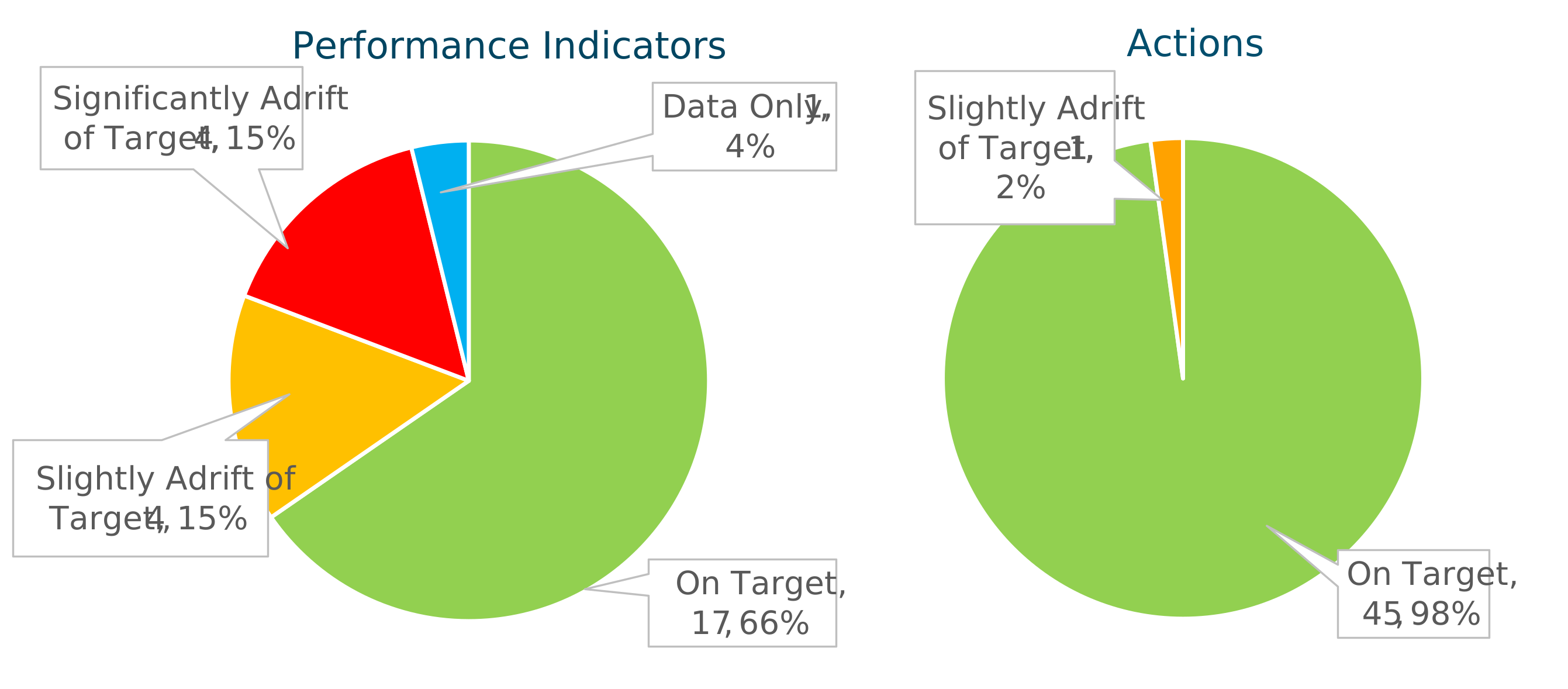
Performance indicators adrift of target
This section details the performance indicators adrift of target and the action being taken to address performance. Due to expected data lags, the most recent data may relate to previous time periods but may only now be available to report. To avoid duplication, only data that has not previously been reported to Cabinet through Council Plan progress reporting is included in this section. Further details can be found in the Performance Indicators section within this report.
The Average Total Tariff Score of the school leavers from the most SIMD deprived 20% of Scottish data zones in 2025 was 681 points. This is a 3.2% increase on last year and is also above the Average Total Tariff Score of school leavers from similar SIMD areas in the whole of Scotland (676 points). Given the dynamic above it means that the poverty-related attainment gap is smaller than last year - a small but significant gain in the endeavour to reduce the opportunity gap between our young people living in the least and the most deprived areas of North Ayrshire.
The Average Total Tariff score for 2025 school leavers published in the March 2026 edition of the national Insight benchmarking tool was 864.4 tariff points. This is an increase of 2.8% compared to the previous year. North Ayrshire school leavers also outperform the national figures across a range of SIMD deciles. There is a complex interaction of factors that determine the dynamic of the Average Total Tariff Score of a school leaver. North Ayrshire leavers are offered a wider set of opportunities to choose more qualifications at different SCQF levels - adding more points to the tariff portfolio of each young learner. Wider achievement is increasing in importance without diminishing the value of academic achievement.
Performance is 394,684 against a target of 423,077. Fluctuations across the portfolio arise as a result of estate management actions, generally disposals to existing tenants securing their retention in the area and facilitating their business plans around location security and growth, which directly contributes to our Community Wealth Building approach. Specific projects also impact availability, for example, units within Bridgegate, Irvine are not currently being marketed while the long-term future of the area is under consideration. There has also been a re-baselining of available space following the transition of portfolio management from the Business Support and Development Service to Property Management and Investment. Available space will increase in the coming years as projects are delivered, for example at Kyle Road, Annickbank and i3.
1.27% of council budget has been directed via participatory methods compared to an ambitious 1.5% target. Assuming the Scottish Government / COSLA target remains at 1% for local authorities, this remains 0.3% ahead of the national target. The revised target is reflective of current progress and takes into account the current funding landscape while exceeding national expectations. The financial value of participatory budgeting is only part of the outcome as it can be difficult to attach a financial value to the vast benefits of involving our people in decision making processes and co-designing services alongside them. Participatory budgeting remains a key method of engaging our people with services.
At the end of the 2024/2025 academic session, 95.7% of the 1,396 school leavers identified by Skills Development Scotland for North Ayrshire have moved on to positive post-school destinations. As in previous years most school leavers (72.6%) continue into Further and Higher Education. This time, the percentage moving into Higher Education courses (37%) has exceeded those who moved into Further Education (35.5%) which has only occurred previously during the pandemic and two post-pandemic years. Within our LGBF family group we are currently 3rd below Inverclyde Council (96.4%) and Eilean Siar Council (96.1%). This places us 16th in the overall rankings and within the 2nd quartile.
The number of new build housing units reaching completion was 431 against an annual target of 436. This is a variance of 1.1%. This indicator includes wider private sector development where our council has limited influence over the total number of completions achieved. The shortfall of five units reflects delays in completions across all tenures including within the SHIP programme.
Indicator amendments and recommendations
At Mid-Year 2025 to 2026, a Quarter Two figure of 78 empty homes brought back into use was reported resulting in an on-target (green) status at that point. Following further year end verification, a small number of cases were identified as having been closed prematurely and the Quarter Two figure has been revised to 74. While this amendment affected the position at Mid-Year, overall performance at Year End exceeded the annual target. Empty homes remain a key focus for the service, and additional resources have been secured to strengthen processes and reduce the likelihood of similar issues in future reporting. As a precaution, a review of previous years’ data was undertaken and no anomalies were identified.
At Mid-Year, the Quarter Two status for Percentage of total household waste that is recycled was 51.2% and was significantly adrift of target (red). However, further data checks have been undertaken and the Quarter Two figure has now been revised to 56% meaning the Quarter 2 status is on target (green). The overall figure for 2025 to 2026 (2025 calendar year) is 52.9% against a target of 53% meaning that this indicator remains on target (green). All figures for 2025 to 2026 (2025 Calendar year) are still subject to verification by SEPA and will be confirmed in October.
At Mid-Year, the Quarter Two overall carbon emissions (tonnes) (non-domestic council estate) was 3,313. This was a provisional figure and has since been confirmed as 3,030 by the service, which now has all available data to complete the calculation. Quarterly targets are intentionally not set for this indicator due to the dynamics of the data over short time periods, therefore the status remains unchanged as “data only” for the quarter. Annual targets are set and are unaffected by this amendment.
The provisional figure for 2024/2025 was incorrectly reported as 95.4% rather than the correct figure of 95.2%. This has been updated within this report and the status is unaffected.
A recommendation to amend the 2025 to 2026 targets was agreed by Cabinet in September 2025. Proposed amendments have been made following the publication of confirmed 2024 to 2025 school leaver attainment data released in February 2026.
(The total tariff measure is based on a complex national calculation using leavers’ highest qualifications and attainment data, meaning an interim figure cannot be accurately calculated locally during the school year. As a result, only confirmed annual data which becomes available through the national release in February 2027 can be used to inform targets. Therefore, adjusting a target at March 2026 during the 2025 to 2026 academic year cannot be based on any internal information or data more recent than the 2024 to 2025 academic year.)
The proposed targets for Education are as follows:
| PI Description | 2025 to 2026 Academic Year Original Target | 2025 to 2026 Academic Year Proposed Target |
|---|---|---|
| CP_37 Average total tariff score of pupils living in SIMD 20% most deprived areas | 720 | 690 |
| CP_06 Average tariff score: All Leavers | 910 | 880 |
| CP_38 Average total tariff for care experienced Young People | 470 | 480 |
Actions adrift of target
This section details actions adrift of target and the measures being taken to address performance. Further details can be found in the Action Tracker section.
CP10 Increase the number of homes in the area through a mix of private and social developments and bringing empty buildings back in to use (Amber)
This action has been noted as amber due to the linked performance indicator ‘CP_40 Number of new build housing units reaching completion’ not meeting its target. As discussed above, the number of new build housing units reaching completion was 431 against an annual target of 436. This is a variance of 1.1%. This indicator includes wider private sector development where our council has limited influence over the total number of completions achieved. The shortfall of five units reflects delays in completions across all tenures including within the SHIP programme.
Performance indicators
| Icon | Label |
|---|---|
 | On Target |
 | Data Not Available |
 | Data Only |
 | Slightly Adrift of Target |
 | Significantly Adrift of Target |
| PI code and description | 2022-2023 Value | 2022-2023 Target | 2022-2023 Status | 2023-2024 Value | 2023-2024 Target | 2023-2024 Status | 2024-2025 Value | 2024-2025 Target | 2024-2025 Status | 2025-2026 Value | 2025-2026 Target | 2025-2026 Status | 2026-2027 Target |
|---|---|---|---|---|---|---|---|---|---|---|---|---|---|
| CP_36 Number of residents participating in community learning and development activity including youth work | 17,804 | | | 23,503 | 18,700 | | 28,102 | 19,500 | | 24,794 | 23,500 | | 23,500 |
| CP_04 Proportion of children meeting developmental milestones (LGBF) | 79.5% | | | 77.50% | 79% | | 80% | 79% | | Data Available May 2027 | 79% | | 79% |
| CP_37 Average total tariff score of pupils living in SIMD 20% most deprived areas | 670.2 | | | 664.3 | 714 | | 681 | 720 | | Data Available March 2027 | 690 | | 700 |
| CP_06 Average tariff score: All Leavers | 847.2 | | | 840.8 | 908 | | 864.4 | 910 | | Data Available March 2027 | 880 | | 890 |
| CP_38 Average total tariff for care experienced Young People | 411.5 | | | 355 | 465 | | 508 | 470 | | Data Available March 2027 | 480 | | 490 |
| CP_07 % of school leavers entering positive destinations (LGBF) | 96.5% | | | 95.6% | 96.4% | | 95.7% | 96.8% | | Data Available February 2027 | 96.8% | | 96.20% |
| CP_39b Number of unemployed people that have progressed to employment as a result of participation in council funded or operated employability activities | 427 | | | 475 | | | 643 | 475 | | Data Available November 2026 | 450 | | 475 |
| CP_10a % of procurement spend on local enterprises | 26.04% | 25% | | 24.48% | 26% | | 26.8% | 27% | | Data Available June 2026 | 27% | | 27% |
| CP_40 Number of new build housing units reaching completion (all tenures) (actual not cumulative) | 562 | | | 384 | 295 | | 371 | 396 | | 431 | 436 | | 407 |
| CP_41 Number of empty homes brought back into use (actual) | 120 | | | 378 | 200 | | 375 | 300 | | 432 | 350 | | 400 |
| CP_28 Hectares of vacant and derelict land in North Ayrshire | 1,130 | 1,094 | | 951 | 1,094 | | 942 | 925 | | 872 | 925 | | 850 |
| CP_27 Street Cleanliness Index - % Clean (LGBF) [1] | 84.6% | 90 | | 89.1% | 87 | | 90.3% | 87 | | 89.7% | 89% | | 89% |
| CP_20 Overall percentage of road network that should be considered for maintenance treatment | 34.8% | 33.8% | | 32.5% | 34.8% | | 30.6% | 32.5% | | Data Available September 2026 | 32% | | 32% |
| CP_42 Provided floor space of commercial/industrial space within our council portfolio (sq. ft) | 400,991 | | | 404,897 | 404,755 | | 423,077 | 423,077 | | 394,684 | 423,077 | | 394,684 |
| CP_02 % of council budget directed via participatory methods | 2.74% | 1% | | 2.05% | 1.5% | | 1.97% | 1.5% | | 1.27% | 1.5% | | 1.25% |
| CP_43 Number of council assets under community management (cumulative) | 49 | | | 53 | 54 | | 55 | 56 | | 57 | 57 | | 59 |
| CP_30 Total installed capacity of low carbon heat and electricity generation across the council's estate | 12,104 | 11,800 | | 15,992 | 12,000 | | 17,630 | 28,499 | | 30,230 | 30,137 | | 31,000 |
| CP_29 Overall carbon emissions (tonnes) (Non-domestic council estate) | 20,896 | 21,000 | | 20,745 | 19,500 | | 20,333 | 19,953 | | 17,229 | 19,824 | | 16,519 |
| CP_44a % of council dwellings that are energy efficient (Formerly known as SHSN05a) (LGBF) [2] | 98.2 | | | 98.01 | 98.1 | | 97.66% | 98.5% | | 97.92% | 98.7% | | 98.5% |
| CP_45 Length of new or improved active travel routes per annum (Metres) | 1,090 | | | 3,900 | 2,000 | | 2,500 | 2,000 | | 3,443 | 2,000 | | 2,000 |
| CP_46 Number of trees planted under the North Ayrshire 2030 Tree Planting Strategy | No data | No data | No data | 36,531 | 40,000 | | 49,026 | 47,000 | | 65,305 | 60,000 | | 75,000 |
| CP_19 Proportion of operational buildings that are suitable for their current use (LGBF) [3] | 95.1% | 93% | | 95.2% | 92.1% | | 95.2% | 93% | | 95.2% | 93% | | 89% |
| CP_31 % of total household waste that is recycled (calendar year as per SEPA) (LGBF) [4] | 55.3% | 56.9% | | 56.1% | 57% | | 53% | 56% | | 52.9% | 53% | | 53% |
| CP_25 % of council dwellings that meet the Scottish Housing Quality Standard (LGBF) | 63.2% | | | 76.9% | 72.5% | | 94% | 97.4% | | Data Available September 2026 | 97.57% | | 98.93% |
| CP_47 Gross rent arrears (all tenants) as at 31 March each year as a percentage of rent due for the reporting year (LGBF) | 7.1% | | | 5.9% | 6.5% | | 8% | | | Data Available September 2026 | 7% | | 7% |
| CP_48 % of income due from council tax received by the end of the year (LGBF) | 94.7% | | | 93.6% | 94% | | 94% | 98% | | Data Available September 2026 | 94% | | 94% |
- CP_27 - Sourced from the Local Environmental Audit and Management System (LEAMS) audit conducted by Keep Scotland Beautiful.
- CP_44a - LGBF reporting has paused on this indicator whilst EESSH2 is established therefore the values from 2022-2023 onwards are provisional and sourced locally.
- CP_19 - Data for 2025 to 2026 is provisional and will be confirmed upon the release of the LGBF data in September 2026.
- CP_31 - The 2025-2026 value is a provisional figure and will be updated in the LGBF data release in October 2026.
Action tracker
| Icon | Label |
|---|---|
| On Target |
| Slightly Adrift of Target |
| Significantly Adrift of Target |
| Ref # | Existing Overall Action (and Priority) | Q2 2023-2024 | Q3 2023-2024 | Q4 2023-2024 | Q1 2024-2025 | Q2 2024-2025 | Q3 2024-2025 | Q4 2024-2025 | Q1 2025-2026 | Q2 2025-2026 | Q3 2025-2026 | Q4 2025-2026 |
|---|---|---|---|---|---|---|---|---|---|---|---|---|
| CP01 | Ensuring that wellbeing is at the heart of local life and opportunities, with a focus on tackling inequalities (Wellbeing Priority). | | | | | | | | | | | |
| CP02 | Developing a Community Wealth Building approach to a wellbeing economy (Wellbeing Priority). | | | | | | | | | | | |
| CP03 | Improving educational attainment and achievement and closing the attainment gap (Wellbeing Priority). | | | | | | | | | | | |
| CP04 | Improving outcomes for care experienced young people including implementation of The Promise (Wellbeing Priority). | | | | | | | | | | | |
| CP05 | Developing the Young Workforce and ensuring positive destinations for school leavers (Wellbeing Priority). | | | | | | | | | | | |
| CP06 | Providing lifelong learning opportunities for individuals and organisations, including digital literacy (Wellbeing Priority). | | | | | | | | | | | |
| CP07 | Maximising access to and uptake of benefits, entitlements and financial advice (Wellbeing Priority). | | | | | | | | | | | |
| CP08 | Ensuring that supports are available in communities to alleviate cost-of-living pressures through community hubs and networks (Wellbeing Priority). | | | | | | | | | | | |
| CP09 | Through our housebuilding programme and wider Housing Investment provide homes for life that meet the needs of our residents (Wellbeing Priority). | | | | | | | | | | | |
| CP10 | Increase the number of homes in the area through a mix of private and social developments and bringing empty buildings back in to use (Wellbeing Priority). | | | | | | | | | | | |
| CP11 | Exploration of models and the development of pilot schemes to increase access to and use of public/community transport (Wellbeing Priority). | | | | | | | | | | | |
| CP12 | Ensure our places and spaces where we live, work and visit are well maintained and accessible (Wellbeing Priority). | | | | | | | | | | | |
| CP13 | Developing infrastructure to support business growth (Wellbeing Priority). | | | | | | | | | | | |
| CP14 | Support KA Leisure’s leadership of North Ayrshire’s Health and Wellbeing Alliance (Wellbeing Priority). | | | | | | | | | | | |
| CP15 | Through the Health and Social Care Partnership Strategic Plan we will protect and provide care and support for those in need (Wellbeing Priority). | None | None | None | None | None | None | None | None | None | None | None |
| CP16 | Developing strong relationships with communities and partners based on trust and shared aspirations using their experiences to inform service provision (Communities and Local Democracy Priority). | | | | | | | | | | | |
| CP17 | Providing support for community organisations in achieving their goals, including as Community Wealth Building anchor organisations (Communities and Local Democracy Priority). | | | | | | | | | | | |
| CP18 | Creating a participation and engagement framework which ensures opportunities and support for all residents to take part in influencing local democracy and council and partner strategies (Communities and Local Democracy Priority). | | | | | | | | | | | |
| CP19 | Supporting participatory budgeting (Communities and Local Democracy Priority). | | | | | | | | | | | |
| CP20 | Supporting community asset transfer and community owned and operated/managed assets (Communities and Local Democracy Priority). | | | | | | | | | | | |
| CP21 | Supporting the Community Planning Partnership and the Community Plan (LOIP) (Communities and Local Democracy Priority). | | | | | | | | | | | |
| CP22 | Developing partnerships with the third and voluntary sector (Communities and Local Democracy Priority). | | | | | | | | | | | |
| CP23 | Placemaking, including creation of locality action plans based on the Community Plan (LOIP) priorities and support the delivery of Islands Plans (Communities and Local Democracy Priority). | | | | | | | | | | | |
| CP24 | Ensuring an inclusive, fair, rights-based and asset-based approach in our work (Communities and Local Democracy Priority). | | | | | | | | | | | |
| CP25 | Accessible public services, both digitally and locally, ensuring a ‘No Wrong Door’ approach (Communities and Local Democracy Priority). | | | | | | | | | | | |
| CP26 | Embedding our net-zero ambition in all democratic decision-making (Climate Change Priority). | | | | | | | | | | | |
| CP27 | Reducing the carbon footprint of our estate through rationalisation utilising a locality-based approach and taking a fabric first and low carbon energy generation approach to homes and buildings (Climate Change Priority). | | | | | | | | | | | |
| CP28 | Improving resilience and reducing carbon by developing and supporting supply chains where materials and goods are sourced locally (Climate Change Priority). | | | | | | | | | | | |
| CP29 | Promoting new woodland creation and protecting our green spaces to provide a natural resource for carbon sequestration (Climate Change Priority). | | | | | | | | | | | |
| CP30 | Supporting local businesses as they meet their climate change obligations (Climate Change Priority). | | | | | | | | | | | |
| CP31 | Promoting a circular economy in North Ayrshire to reduce consumption of raw materials and promote reuse, repair and recycling, and generating energy from residual waste (Climate Change Priority). | | | | | | | | | | | |
| CP32 | Developing local low carbon energy generation schemes and networks (Climate Change Priority). | | | | | | | | | | | |
| CP33 | Unlocking the potential of community owned energy generation to bring new income streams into communities and help them take direct action to combat climate change (Climate Change Priority). | | | | | | | | | | | |
| CP34 | Learning for sustainability, and work with communities to adopt low carbon behaviour change and encourage climate-based volunteering activities (Climate Change Priority). | | | | | | | | | | | |
| CP35 | Improving communities’ preparedness to deal with the impacts of climate change already locked-in (Climate Change Priority). | | | | | | | | | | | |
| CP36 | Working with communities to adopt low carbon behaviour change and encourage climate-based volunteering activities (Climate Change Priority). | | | | | | | | | | | |
| CP37 | Taking a nature-based approach to protect our habitats and species (Climate Change Priority). | | | | | | | | | | | |
| CP38 | Developing and promoting active travel infrastructure (Climate Change Priority). | | | | | | | | | | | |
| CP39 | Transitioning to low and zero carbon travel (Climate Change Priority). | | | | | | | | | | | |
| CP40 | Ensuring robust governance arrangements are in place to fulfil the council’s statutory duties, manage risk and support delivery of key priorities (A Sustainable Council Priority). | | | | | | | | | | | |
| CP41 | Using dynamic data and lived experiences to inform decision-making (A Sustainable Council Priority). | | | | | | | | | | | |
| CP42 | Working with partners nationally, regionally and locally to secure investment and target resources towards our priorities (A Sustainable Council Priority). | | | | | | | | | | | |
| CP43 | Driving change and transformation, using technology where appropriate, to deliver efficient and effective services and support delivery of priorities (A Sustainable Council Priority). | | | | | | | | | | | |
| CP44 | Maximising financial flexibilities to help support delivery of priorities (A Sustainable Council Priority). | | | | | | | | | | | |
| CP45 | Maximising value from the use of our assets (A Sustainable Council Priority). | | | | | | | | | | | |
| CP46 | Focusing our investment on priorities (A Sustainable Council Priority). | | | | | | | | | | | |
| CP47 | Effective workforce planning ensuring that we have the right skills/resources to deliver priorities (A Sustainable Council Priority). | | | | | | | | | | | |
Contact us
We strive to make our reporting as accessible as possible. If you have any questions or require further information on our council’s performance please contact:
The Corporate Policy and Performance Team
Telephone: 01294 310000
Email: NorthAyrshirePerforms@north-ayrshire.gov.uk
Reports can be viewed on our council performance webpage.